
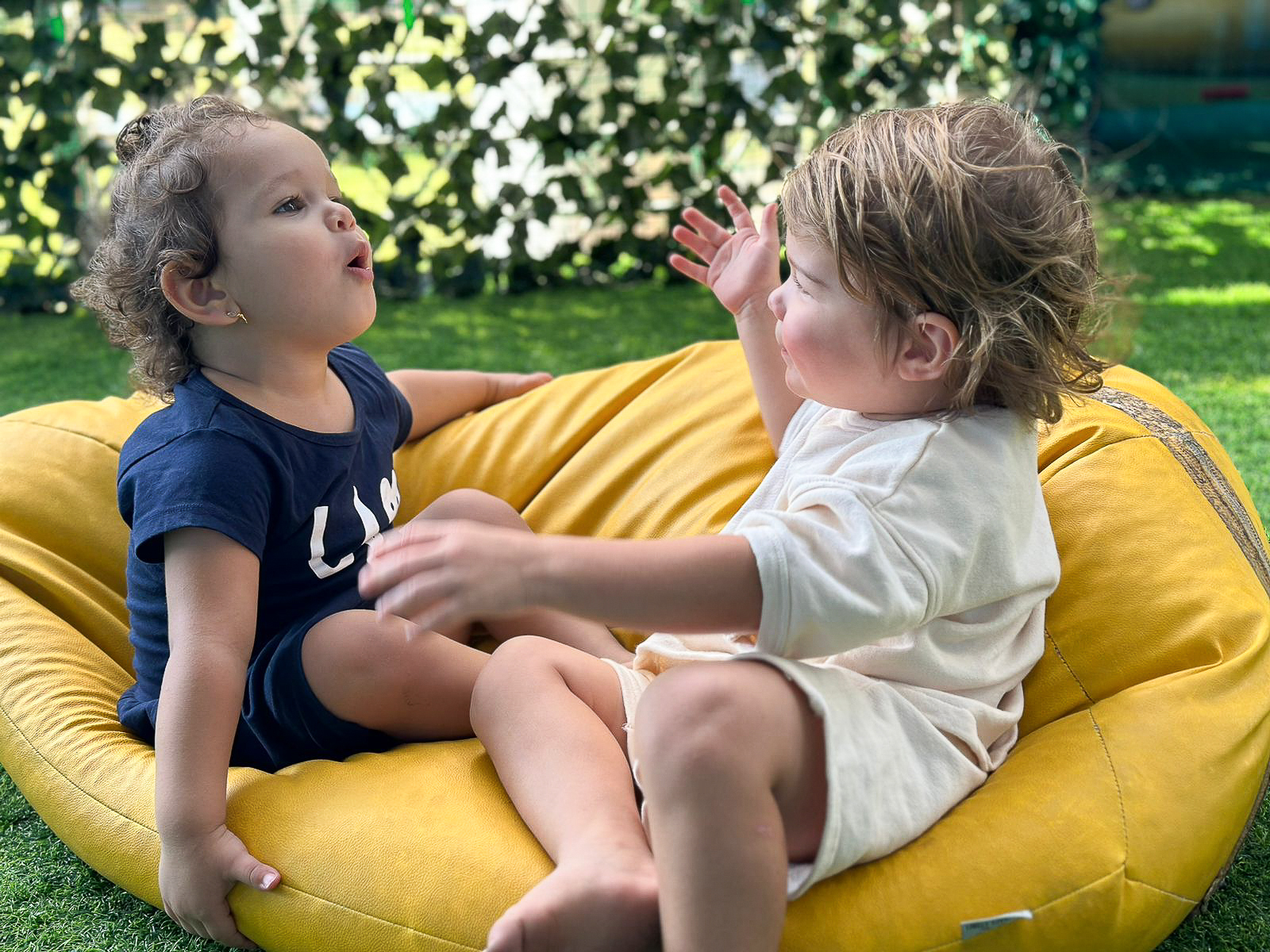
Some of the sweetest moments in our nursery happen during simple routines. A toddler tries a new word. A teacher listens with care and smiles with pride. The room stays calm, yet a big step has been taken. These moments show how children learn to speak with trust and joy. Many parents ask how speech grows during these years. The truth is that language grows through daily interactions and caring guidance.
Toddlers learn to speak through listening, practising, and sharing small thoughts. Children also need patient adults who give them time to respond. Studies support this. The Harvard Center on the Developing Child explains that “serve and return” moments help language and brain growth. At Tappy Toes Nursery, these insights shape our environment from day one.
At Tappy Toes, these ideas shape our classrooms every day. Below are ten simple speech development ideas that help toddlers grow strong communication skills.
What Helps Toddlers Speak Better?
Toddlers speak better when they hear rich language every day. They need words in real situations. They also need warm adults who listen without rushing.
1. Daily Conversation Time
Teachers speak with toddlers during play and routine tasks. They use slow and clear words. They also give children enough time to reply. These short talks help children learn new words with ease.
2. Commenting Instead of Questioning
Teachers talk about what the child is doing instead of asking many questions. This helps toddlers learn new words without pressure. It also builds understanding and comfort. As the child grows, the teacher adds questions to make them feel confident about their speech. This develops their communication and confidence to speak in a larger setting.
3. Introducing New Words in Real Moments
Children learn words best when they see and hear the word together. Teachers name objects and actions during real activities. This helps toddlers remember the word and its meaning.
4. Repetition Through Daily Routines
Routines help children hear the same words each day. They listen during snack time, playtime, and tidy-up time. Repetition makes their learning stronger and more stable.
5. Reading Sessions with Purpose
Reading helps children understand language structure. It also builds early vocabulary. The National Literacy Trust states that shared reading boosts communication skills.
At Tappy Toes Nursery, reading time is calm and warm. Children sit, look, point, and repeat simple sounds.
6. Nursery Rhymes and Simple Songs
Songs help toddlers hear patterns in language. These patterns support early speech sounds. Children also enjoy moving as they sing, which keeps the learning fun and steady.
7. Story Circles Led by Children
Children share small parts of a story in a group. This builds confidence and expressive language. It also helps toddlers practise speaking in front of others.
8. Naming Emotions Clearly
Teachers name feelings during calm and safe moments. Children learn words like sad, happy, and tired. This helps them express their needs more clearly.
9. Sensory Play That Encourages Expression
Sensory play gives toddlers many things to talk about. Teachers help them use words that fit what they touch or see. This builds stronger descriptive skills and a deeper understanding.
10. Small Group Language Games
Simple language games help toddlers practise taking turns. They listen and speak in a happy group setting. Teachers choose games that match each child’s stage.
Why do these speech development ideas work?
These ideas work because they create a language-rich day for toddlers. Children gain new words in real contexts. They also build confidence through warm interactions. Over time, they speak with more clarity and comfort.
Why Parents Choose Tappy Toes Nursery for Speech and Language Growth
Parents trust Tappy Toes Nursery because speech and communication are not separate lessons. They are woven into every moment of the day. Our British Curriculum with the EYFS framework gives children strong foundations. We bring in elements from Montessori and Reggio Emilia to create a balanced, child-centred approach.
Our educators are CACHE qualified and trained in early communication development. They observe each child closely and create personalised learning goals. Classrooms are calm, organised, and rich in language resources. We offer English and Arabic to support bilingual growth.
We believe in strong Parent Partnership. Families receive guidance, updates, and ideas to support language growth at home. This teamwork ensures every child experiences consistent progress.
Tappy Toes Nursery supports families across Dubai South, Sharjah, Fujairah, and Karama in Bur Dubai. We offer extended hours, safe play spaces, sensory zones, a clinic with a full-time nurse, and inclusive learning support. Our environment nurtures confidence, independence, and expressive joy.
Conclusion
Speech grows through small moments of connection. When toddlers feel safe and understood, they speak more and share more. These ten ideas help children build strong communication skills in simple ways. At Tappy Toes Nursery, language learning is part of every routine. Our caring educators guide each child with patience and warmth. With steady support, toddlers grow into confident young speakers who enjoy expressing themselves.
Frequently Asked Questions
When should toddlers start speaking more clearly?
Most toddlers speak more clearly between eighteen months and three years. The pace differs for each child. Supportive adults help progress grow faster.
How can parents help with speech at home?
Parents can talk slowly, name objects, read simple books, and give the child time to answer. These steps support steady language growth.
When should parents seek extra support for speech?
Parents should seek help if a toddler uses very few words after age two or does not respond to simple directions. A doctor or speech therapist can guide the next steps.