
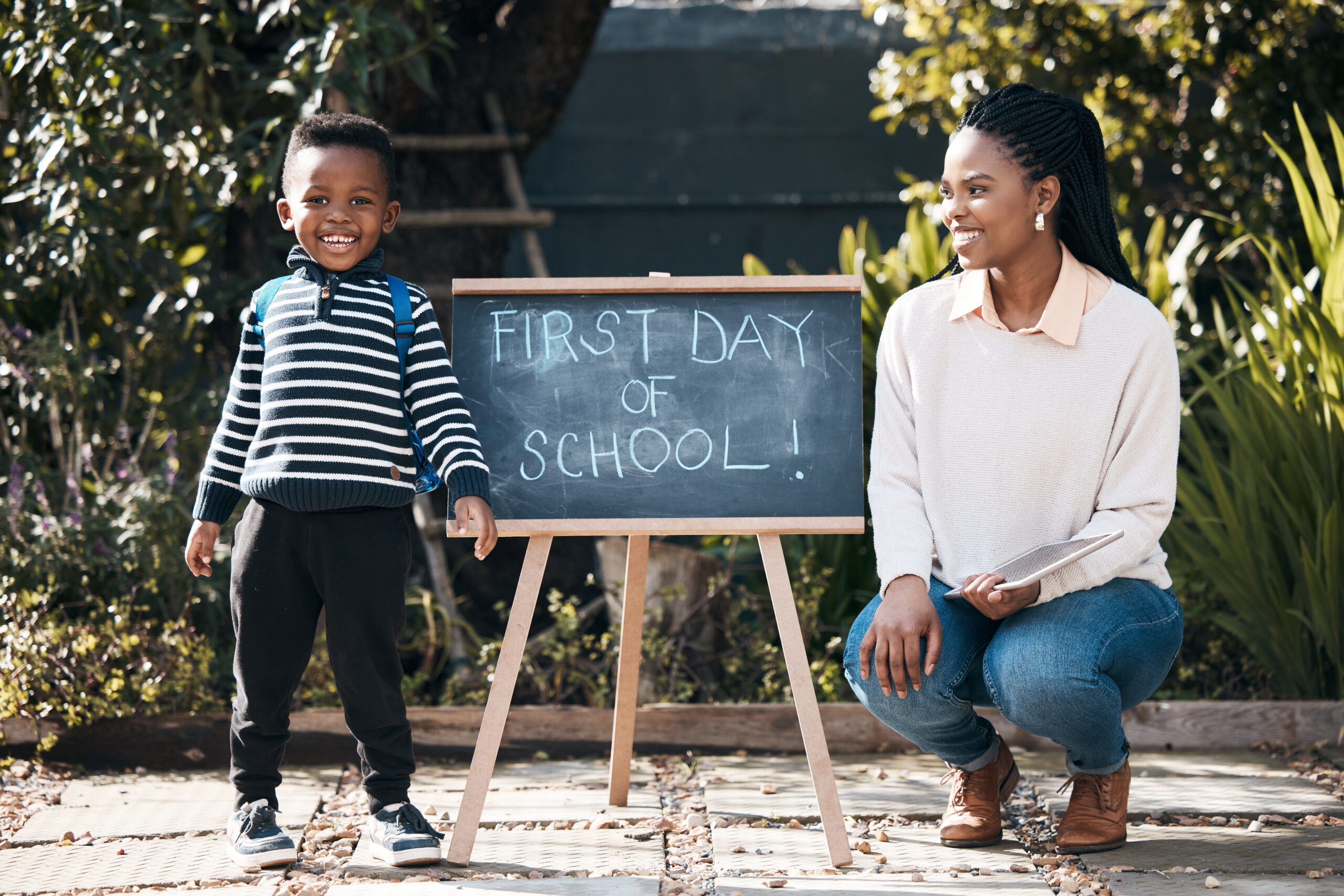
A child’s nursery journey often begins quietly at home. A new bag waits by the door. A tiny pair of shoes feels suddenly important. For parents, that moment brings pride, worry, and many questions. That is why clear preparation matters so much.
The good news is simple. Children cope better when adults keep routines steady and calm. UNICEF also recommends practising routines before preschool begins. That early familiarity helps children feel safer and more secure.
What should parents know before the first day?
The first day of school rarely depends on one big moment. It depends on many small choices made beforehand. Your child needs emotional comfort, clear routines, and familiar expectations. Parents need a calm plan they can follow with confidence.
A smooth start usually comes from three things. Children do best with routine, trust, and simple communication. Harvard’s Centre on the Developing Child highlights how warm, responsive care supports healthy development. That matters even more during times of change.
How can you prepare your child emotionally?
Start talking about the nursery a few days earlier. Keep your words simple, warm, and clear. Tell your child who will take them there. Tell them who will collect them later. That predictability helps reduce stress for many children.
You can also use early childhood transition activities at home. UNICEF advises acting out school routines before preschool starts. This helps children know what comes next.
Think about the child’s emotional readiness for school signs as well. Your child may not need perfect confidence. They simply need growing trust in new adults and routines. The CDC notes that many three-year-olds calm down after drop-off. They also begin joining other children in play.
What should parents pack on the first day?
A well-packed nursery bag reduces stress for everyone. It also helps staff settle your child more quickly. Your starting nursery preparation checklist should stay simple and practical.
Pack these labelled items before bedtime:
- A full change of clothes
- Wipes and nappies, if needed
- A water bottle
- A comfort item, if allowed
- Any approved food items
- Required medical information or medicines
Comfort objects can help some children self-soothe during separation.
What helps in the morning itself?
Keep the morning unhurried and predictable. Wake your child with enough time to dress calmly. Offer a familiar breakfast and avoid last-minute rushing. Children often mirror the adult mood around them. So, your calm presence matters greatly.
Use short, loving words at the door. Do not make the goodbye long or uncertain. In a short and predictable goodbye routine, it also helps to say when you will return.
How can parents manage tears and clinginess?
Many toddlers cry at drop-off. That does not always mean something is wrong. Separation anxiety is common in young children. It often appears between about six months and three years.
Useful separation anxiety tips for toddlers can make a real difference. Practise short separations before nursery starts. Leave confidently after saying goodbye once. Tell your child what happens after pick-up. Keep the routine the same each day.
These are also helpful first-day nursery tips parents often miss. Do not disappear without saying goodbye. Do not return repeatedly after leaving. That can make trust harder for your child.
What should parents expect after the first week?
Settling in rarely follows a straight line. Some children adjust quickly and then become clingy later. Others cry first, then settle well after several days. Regression can happen and is often short-lived.
This is why a good preschool settling-in guide should stay realistic. Watch for patterns instead of single difficult moments. Ask staff how your child eats, plays, and calms down. That full picture matters more than one tearful goodbye.
Why choose Tappy Toes Nursery?
Parents often want more than a safe place. They want strong care, clear communication, and trusted educators. Tappy Toes Nursery states that parent partnership is a core belief. It also follows the British EYFS framework in Dubai.
The nursery also highlights qualified educators, regular staff training, and daily parent communication support. Those details matter when families want a calmer transition. A connected parent-nursery relationship often supports better settling in. Contact for more information.
Conclusion
The first nursery start can feel deeply emotional for parents. Yet preparation changes that feeling in powerful ways. When routines stay steady, children feel safer and more settled. When goodbyes stay clear, trust grows more easily. When parents and educators work together, progress often follows.
The first day of school does not need perfection. It needs calm planning, warm support, and patient follow-through. With the right steps, your child can begin with greater ease. And you can walk away feeling informed, prepared, and reassured.
FAQs on First Day of School
How long does nursery settling in usually take?
Many children need several days or a few weeks. The pace depends on age, routine, and temperament. Some children settle fast, then wobble later. That pattern can still be completely normal.
Should I label every item in my child’s nursery bag?
Yes, label everything clearly and permanently. This includes clothes, bottles, comfort items, and lunch items. Clear labels help staff respond faster during busy routines.
When should parents seek extra support for separation anxiety?
Seek support if distress stays intense for weeks. Also, act if your child stops eating, sleeping, or engaging. Speak with the nursery first, then your paediatrician if needed.