Learning often begins with curiosity, not pressure. Children ask questions before they learn answers. Quizzes guide this curiosity in a calm, joyful way by supporting thinking, listening, and memory growth together. This is why quizzes matter across every learning stage.
Parents in Dubai want learning that feels natural and meaningful. Schools want tools that support focus without stress. Quizzes quietly connect both goals through guided discovery. They help children learn without fear of mistakes, and each question builds confidence through small, steady wins.
This article explains quizzes clearly and simply. You will learn how quizzes support learning at every age, and also see how quizzes fit into home and school life.
What Are Quizzes and Why Do Children Enjoy Them?
Quizzes turn learning into short, focused thinking moments. They ask clear questions with clear answers. Children respond using memory, logic, or understanding. This process strengthens recall and attention.
Why do children enjoy quizzes so much? They enjoy structure, clarity, and fast feedback. Quizzes offer all three without pressure.
According to Harvard Graduate School of Education, active recall improves long-term learning results. Quizzes use active recall naturally and gently. This makes learning feel lighter and more engaging.
Age-Wise Quizzes for Kids and Learning Growth
Quizzes should match a child’s development stage.
Early Years Ages 3 to 5
Young children respond best to simple ideas. Questions focus on colours, shapes, sounds, and routines. These quizzes support language growth and listening skills.
Primary Years Ages 6 to 8
Children begin linking ideas and remembering facts. Quizzes now include numbers, reading, and basic science. Fun quiz questions for children work well here.
Middle Primary Ages 9 to 11
Children show stronger logic and curiosity. General knowledge questions that kids enjoy become useful. These quizzes build reasoning and independent thinking.
Age-wise quizzes for kids support steady confidence growth. They respect learning pace without forcing outcomes.
How Do Learning Quizzes for Students Support School Success?
Quizzes improve memory, focus, and classroom confidence. Learning quizzes for students help teachers spot gaps early. They also help students revise without stress. Short quizzes reduce fear around larger tests. School quiz questions encourage participation from quieter children. They create equal chances to think and respond.
Interactive Quizzes for Kids at Home and School
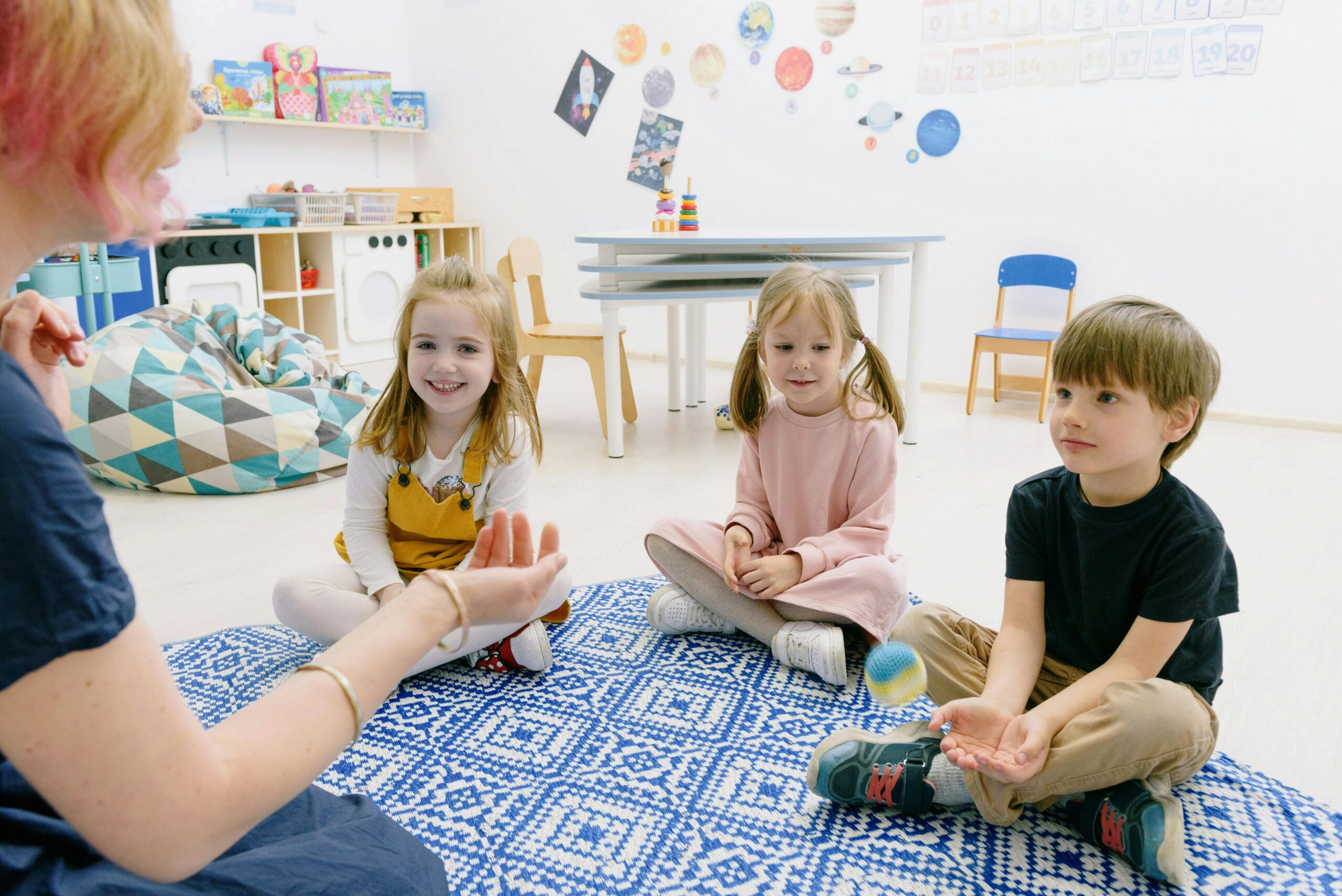
Interaction increases attention and learning depth. Interactive quizzes for kids use movement, talk, and choice. Children stay alert when learning feels active.
Online quizzes for kids add visual and sound support. These tools help children stay focused longer.
Quiz activities at home can be short and relaxed. Parents can use daily topics or simple facts.
Classroom quiz ideas work well during transitions. They reset focus between lessons smoothly.
Brain Games for Children and Thinking Skills
Brain games support problem-solving and patience. Brain games for children challenge thinking in gentle ways. They improve planning, memory, and flexible thinking.
Educational games and quizzes combine fun with purpose. Children learn while feeling calm and capable.
Kids’ trivia questions also build listening and turn-taking skills. These skills matter inside and outside classrooms.
Why Parents Trust Quizzes as Learning Tools
Parents want learning without pressure or fear. Quizzes offer structure without heavy demands. They fit busy routines easily and effectively.
Quizzes support language growth and confidence-building. They also encourage family conversation around learning. When used well, quizzes support balanced development.
Why Parents Should Choose Tappy Toes Nursery
Tappy Toes Nursery believes learning should feel safe and joyful. The nursery uses play-based learning every day. Quiz-style activities are built into daily routines. They support thinking, listening, and social growth.
Certified and experienced teachers guide children with care and attention. Learning stays age-appropriate and emotionally supportive. Parents trust Tappy Toes Nursery for strong foundations. Children grow confident, curious, and ready for school. Contact us if you are curious to know more.
Conclusion
Quizzes guide learning through curiosity and confidence. They support memory, thinking, and calm focus. Used correctly, quizzes fit into home and school life easily. They respect every child’s learning pace and needs.
Parents and educators can use quizzes with purpose. Children benefit through steady and joyful learning experiences. Quizzes for kids remain one of the most effective learning tools.
Frequently Asked Questions
How often should children do quizzes each week?
Two to three short sessions work best. Long sessions can reduce focus and enjoyment.
Are digital quizzes better than paper quizzes?
Both work well when age-appropriate. Balance screen use with hands-on learning.
Can quizzes help shy children participate more?
Yes, quizzes offer safe ways to think and respond. This builds confidence over time.