
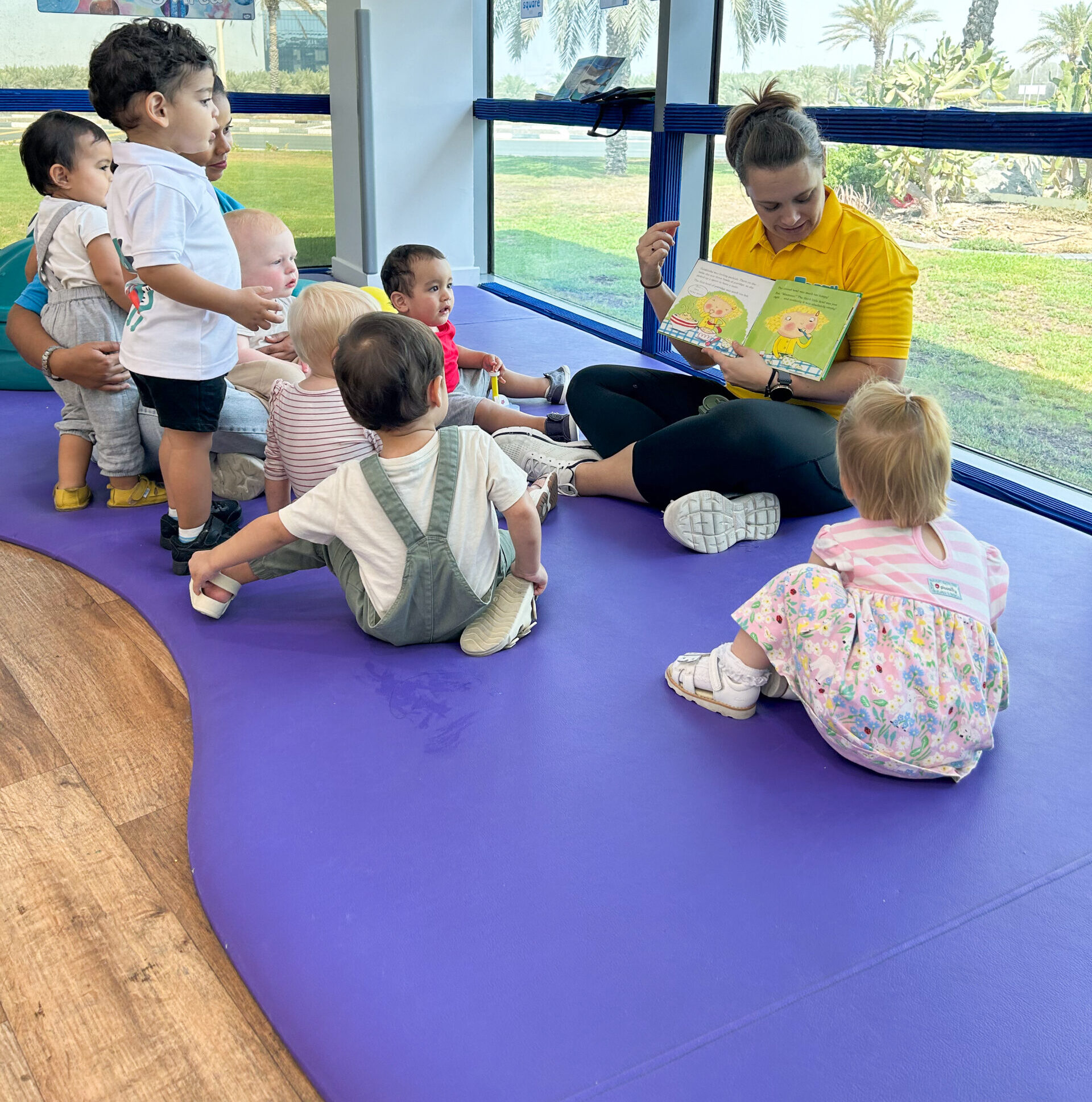
A school morning really starts long before the bell rings. It kicks off at home — in that quiet scramble to find shoes, pack bags, and just get out the door. In those small, sometimes frantic moments, a calm word or two can set the mood for the whole day. That’s why what we say matters. A thoughtful message gives kids something steady to hold onto.
You don’t need a long speech. Just something true. The best daily thoughts are simple, easy to remember, and strong enough to stick with a child. For students, these little reminders help them focus, stay brave, show kindness, and keep trying. For parents, it’s a way to start the morning with real purpose.
What is a thought for the day for students?
A thought for the day is a short, meaningful message. It helps children begin the day with a positive frame of mind. Schools often use it during morning routines or assembly. Parents can also use it at breakfast or on the school run.
The best messages are simple and direct. They guide behaviour without sounding heavy. They can remind children to stay kind, keep trying, speak honestly, or believe in their own effort. When used often, these messages become part of a child’s inner voice.
Why do daily thoughts matter for students?
Children learn through routine. They also respond strongly to words that feel safe and steady. A short daily message can help them pause, focus, and enter school feeling more settled. UNICEF notes that positive relationships and supportive routines help create learning spaces that protect student well-being.
This also links with how children grow as learners. Research shared by the American Psychological Association shows that growth mindset practices can help students stay motivated during challenges and improve learning outcomes.
That matters in real school life. Some days go well. Some feel hard. A steady message can remind a child that effort still counts.
What makes a good daily message for school?
A strong school message should be short, warm, and clear. It should fit a child’s age and daily routine. It should also support values that families and schools both care about.
Here is what works best:
- Use simple words that children understand quickly
- Focus on effort, kindness, honesty, or courage
- Keep the tone calm and encouraging
- Make the message easy to repeat later
- Choose one idea, not too many at once
This is why many parents look for daily motivational quotes for students that feel natural rather than dramatic. Children respond better to language they can actually use.
How can schools and parents use it each day?
A daily message works best when it becomes part of a regular rhythm. It should not feel like a lecture. It should feel like a gentle start.
At school, it can be shared as an inspirational message for a school assembly or during class registration. At home, parents can say it aloud before leaving or place it inside a lunchbox note. Over time, children start remembering these words on their own.
That is where the deeper value sits. The message moves from the morning into the child’s thinking.
25 simple thoughts for the day for students
These lines are short, clear, and easy for children to remember:
- Do your best, even when the day feels hard.
- Kind words can change someone’s whole day.
- Mistakes help you learn and grow stronger.
- You can try again, one step at a time.
- Be honest, even when it feels difficult.
- Small effort each day builds big progress.
- Listen well and speak with respect.
- Stay calm and keep moving forward.
- Your work matters when you give it care.
- Be proud of progress, not only perfection.
- Courage starts with one brave choice.
- Good habits shape strong futures.
- Learn with focus and live with kindness.
- Ask questions and keep your mind open.
- Patience helps good things grow.
- You are stronger than one hard moment.
- Respect yourself and others every day.
- Every new morning is a fresh start.
- Believe in effort and trust the process.
- Speak kindly to yourself today.
- Keep going, even if progress feels slow.
- A calm mind makes better choices.
- True confidence grows through practice.
- Help others, and you grow too.
- Today is a good day to improve.
These also work well as short moral quotes for students during early years and primary school.
Which themes help children most?
Children benefit most from messages they can use in school life. The strongest themes are effort, kindness, self-control, honesty, and hope. These themes support emotional balance and classroom readiness.
They also connect with a growth mindset for learners. The Education Endowment Foundation says metacognition and self-regulation can lead to an average of eight additional months of progress.
In simple terms, this means children do better when they learn how to guide their own thinking and actions.
Can daily thoughts help with confidence and exams?
Yes, they can help when used properly. Children often feel pressure before tests, class tasks, or speaking in front of others. A short message can ease that pressure and give them a useful focus.
Try these student encouragement words before a school day:
- You are prepared, and you can stay calm
- Your effort matters more than fear
- One question at a time is enough
- You know more than you think
- Keep breathing and keep trying
These are also helpful for exam motivation for students. They guide children away from panic and back toward effort.
Positive affirmations for school that children can say aloud
Daily messages become stronger when children speak them too. Simple positive affirmations for school can support self-belief without sounding forced.
Try these:
- I can learn new things today
- I can stay calm and do my best
- I can ask for help when needed
- I can be kind and respectful
- I can keep going after mistakes
This kind of language helps children build a kinder inner voice. It also supports emotional safety and confidence in learning. Edutopia highlights that affirmations and positive self-talk can help students feel seen, valued, and more confident in school settings.
Confidence-building tips for students at home and school
Confidence grows through daily practice, not pressure. Parents and teachers can support that growth in simple ways.
- Praise effort more than natural talent
- Keep morning routines calm and steady
- Let children speak and finish their thoughts
- Correct gently, without shame or fear
- Celebrate progress, even when it is small
These are practical confidence-building tips for students because they support trust, routine, and self-respect.
Why parents should choose Tappy Toes Nursery
Parents often want more than care. They want a place where children feel safe, seen, and gently guided each day. That is where a strong nursery makes a real difference.
Tappy Toes Nursery supports early learning through structure, warmth, and age-appropriate care. For young children, daily routines matter deeply. So do language, encouragement, and emotional safety. A nursery that understands these basics helps children settle well and grow with confidence.
For families in Dubai and the UAE, support matters from the start. Children need spaces where learning feels secure, relationships feel respectful, and each day begins with intention. Contact for more information.
Conclusion
Daily inspiration is not a small thing in a child’s life. It can shape the start of the day, steady the mind, and support better habits over time. A short message, shared with care, can become part of how a child thinks, learns, and responds.
That is why the right thought for the day for students can do more than sound nice. It can support kindness, effort, confidence, and calm. Whether shared at home or in school, these words help children carry something useful into the day ahead. In the end, simple guidance often leaves the deepest mark.
FAQs
What is the best time to share a daily thought with children?
The best time is usually before school starts. Morning works well because children are preparing mentally for the day. A calm message during breakfast or the school journey can settle emotions and improve focus.
How long should a thought for the day be for nursery or primary students?
It should be short enough to remember easily. One sentence is often enough. Younger children respond best to clear, gentle words that they can repeat later without confusion.
Should parents and schools use the same daily messages?
They can, but they do not have to. What matters most is a shared tone. When both home and school use calm, positive language, children receive a stronger and more consistent message.