Primary education in Dubai covers ages five to eleven. It is the stage where children move from nursery into structured school life. They build the academic and social skills that follow them forward. If your child is finishing nursery, this guide is for you.
When Does Primary Education in Dubai Begin?
There is no single start age. It depends on the curriculum the school follows. British curriculum schools bring children into Year 1 at age five. The UAE government school system starts primary at age six.
One update many families have missed. From the 2026-27 academic year, the entry age cut-off moves to December 31. Previously it was August 31. KHDA and the Ministry of Education confirmed this for all schools across Dubai. Before this change, a child born in October had to wait a full extra year. Now they can start in the year they turn the required age. If your child has a birthday between September and December, this changes your timeline. Worth checking now.
What Does Primary Education in Dubai Actually Cover?
Primary school is not one uniform experience across six years. Year 1 and Year 6 feel very different, and understanding that gap helps you set the right expectations.
British curriculum schools call the first two years Key Stage 1. The focus stays on phonics, early reading, and basic number work, mostly through structured play. Children from a good nursery setting will recognise the rhythm. It is not a dramatic leap.
From Year 3, Key Stage 2 is where the work gets more abstract. Reading shifts to comprehension and inference. Maths moves to written methods, fractions, and data. Written work gets longer. For many children, Year 3 is the first year school asks something real of them. That is how the system is designed. Parents who understand this shift handle it calmly. Those who are surprised tend to panic.
Across all years, private schools in Dubai also teach KHDA-required subjects. These include Arabic, Islamic Education for Muslim students, and Social and Moral Studies.
Public vs Private Schools in Dubai: What Is the Real Difference?
Public and private schools in Dubai are not two versions of the same system. Public schools are free for Emirati citizens and teach in Arabic. For most expat families, Arabic-medium instruction rules them out. The real decision is which private school curriculum suits your child. And where your family is likely to be in five years. Fees run from about AED 15,000 to AED 100,000 or more per year.
Which Primary School Curriculum Should You Choose in Dubai?
There is no single best curriculum for primary school in Dubai. The right one depends on where your family has come from and where you plan to go next. It also depends on how your child actually learns. The British curriculum is followed by over 144,000 students across the city. That is close to 37% of Dubai’s private school population, per KHDA’s 2024-25 data. The American curriculum suits families with US ties. The IB Primary Years Programme is inquiry-led rather than step-by-step. Indian curriculum schools, CBSE and ICSE, are often underestimated. At primary level they are rigorous in maths and science. Ask yourself: where will your child do secondary school? That answer narrows the field quickly.
Benefits of Primary Education for Children in Dubai
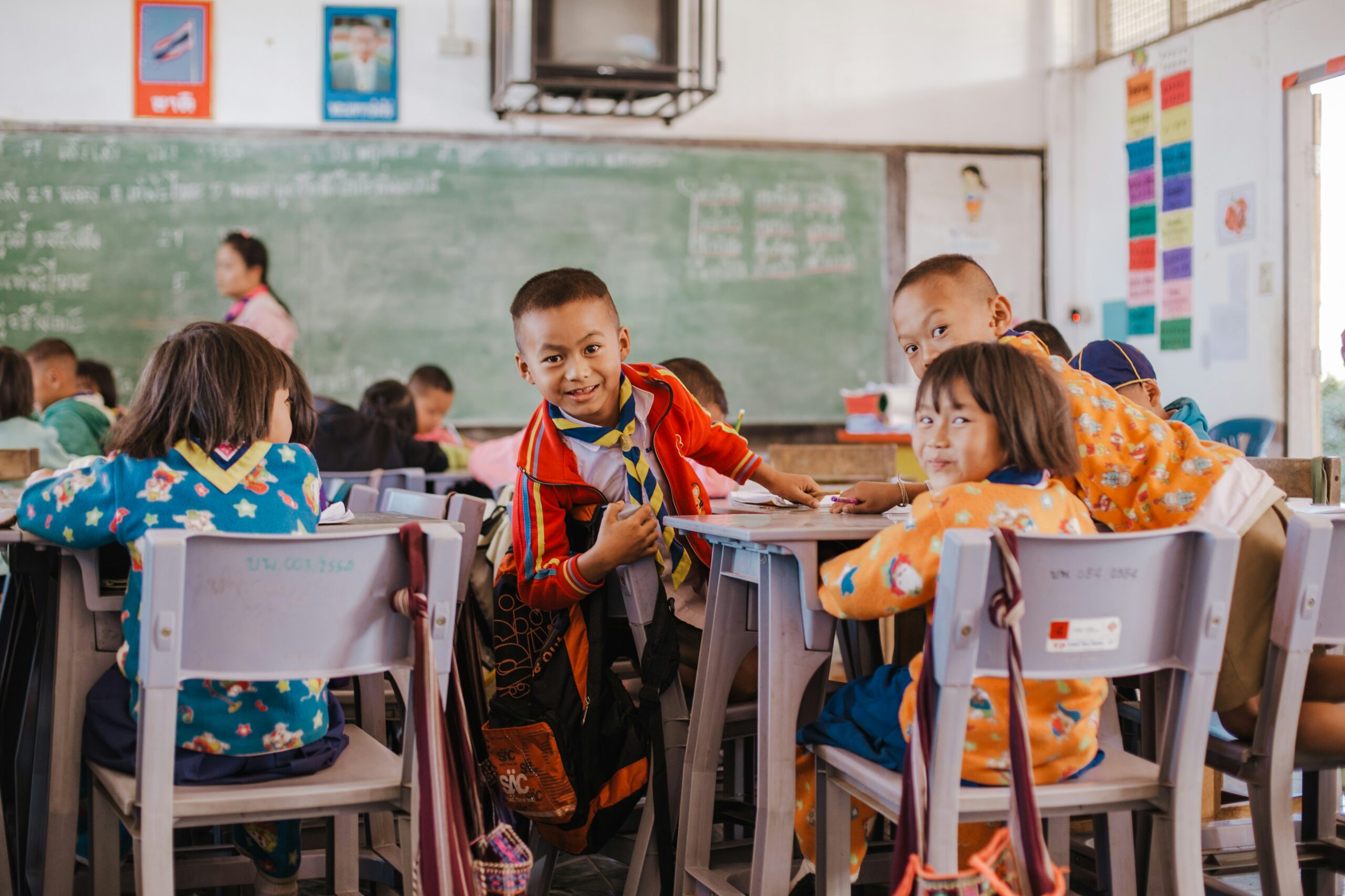
The benefit that gets talked about least is the social one. A Dubai primary classroom often has children from fifteen to twenty different countries in the same room. That contact shapes how children work in groups and handle disagreement. These things follow a child long after school ends.
Academically, primary education in Dubai connects children to internationally benchmarked programmes. KHDA inspection reports hold every private school publicly accountable. What we have seen at Tappy Toes Nursery, year after year, confirms this. Children from strong nursery settings arrive at Year 1 with stronger vocabulary and better self-regulation. Primary school does not build those skills from zero. A good early years programme builds them first.
How to Prepare Your Child for the Move from Nursery to Primary
Start the transition work a few months before term begins, not the week before. Children who understand what is coming manage change better. Those who face it could struggle.
The children who find Year 1 hardest are often not behind academically. They struggle because of self-care or social confidence gaps. Can your child manage their own bag and lunchbox? Can they use the bathroom independently? Can they sit with twenty children they do not know without a familiar adult nearby? These are the real readiness markers. At Tappy Toes Nursery, our programme builds towards these skills across the early years.
How to Choose the Right Primary School in Dubai
KHDA publishes inspection reports for every private school in Dubai. Most parents never read them. Two sections are worth your time: Teaching and Learning, and Students’ Achievement. These tell you more about what children experience each day than any open day will.
The rating gives you a starting point. The report gives you the real picture. In 2026, Dubai’s private school sector served over 387,000 students across 227 schools. Parents searching for the best primary schools in Dubai often rely on word of mouth. That has its place. The KHDA report at web.khda.gov.ae is more consistent and less shaped by one family’s situation.
The Foundation You Build Now Shapes What Comes Next
The school your child attends for primary matters. So does what they bring to it. At Tappy Toes Nursery, we think about primary readiness from the start of a child’s time with us. The skills our programme focuses on are independence, communication, self-regulation, and curiosity. These shape how a child handles Year 1 and every year after. They are built across years of good early learning. That is what the nursery years are doing.