
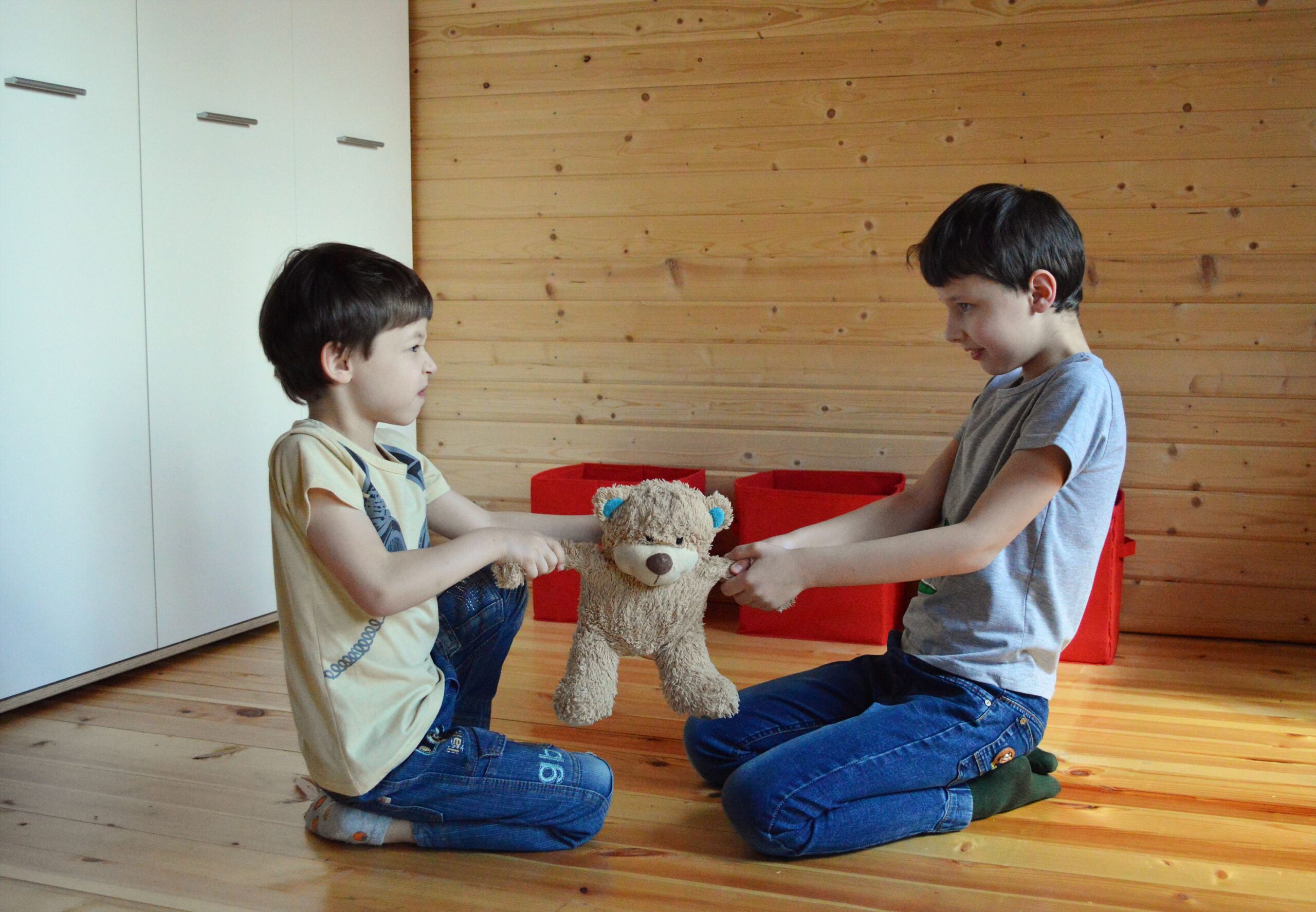
The car park outside Carrefour. Your child is on the floor, screaming. You are frozen, bags in hand, and people are staring. Most UAE parents have stood in that exact spot. It is not a parenting failure. Anger management for children is a skill. It gets built slowly, like any other. And there is a lot you can do.
What Anger Is Actually Saying
Forget bad behaviour for a moment. That outburst is data.
A child who screams or throws something is not trying to ruin your afternoon. They are full up, and words have run out. The part of the brain behind impulse control is still forming. It keeps growing well into the primary years. So a four-year-old cannot think through a big feeling. Not the way you can. Not yet.
Picture the drive home from nursery on a Dubai August afternoon. The car was hot and the day was long. Lunch was rushed, the group activity went badly, and now the seatbelt clip feels wrong. One small thing tips them over. Sound familiar? Not a tantrum child. Just a kid running on empty.
Is This Normal? When to Watch More Closely
Most childhood anger is normal. Babies as young as four months can show anger, and researchers have confirmed this. A three-year-old hitting a sibling over a toy is not a crisis. What shifts the picture is frequency. One bad afternoon is one bad afternoon. But when anger issues in children happen daily, or turn physical toward others, pay closer attention.
Signs worth noting:
Outbursts lasting 20 minutes or more on most days
Hitting, biting, or throwing at carers, siblings, or classmates regularly
Anger that has no clear trigger the child can name later
Regular reports from nursery about anger outbursts at school
Your child feeling shame or guilt about their own anger
These are not proof of a serious problem. They are a reason to look closer.
Anger Management for Children: Where to Start
Three moments shape how children handle anger: before the outburst, during it, and after. Most parenting advice covers only the middle one. The other two matter just as much.
Before the storm builds
Most parents wait for the explosion before teaching. That is the wrong moment. Feeling words get built in calm moments: at dinner, on the school run, while flipping through a picture book. Say “you look a bit frustrated” before things escalate. Why does this work? Children with words for their feelings are far less likely to use their fists or feet. We do this every day at Tappy Toes Nursery. Short, low-key chats that build up over time.
When it is happening
Reasoning mid-meltdown does not work. The brain cannot take it in. Lower your voice rather than raise it. Get down to their level. Say one short thing: “I can see you’re really upset. I’m here.” Then guide them somewhere quieter, like a different room or a corner with something soft. Nothing to solve yet, nothing to explain. Your calm is the only tool that works right now.
Once things settle
This is where real teaching happens. Ask one open question: “What was going on before you got so upset?” Do not recap the behaviour. Skip the lecture. Instead, notice the effort it took them to settle. Say “you pulled yourself back, that’s hard” and mean it. In UAE homes where grandparents or siblings witnessed the meltdown, resist the room. Find a private moment. Connection before correction. That order changes the whole thing.
How We Handle Big Emotions at Tappy Toes Nursery
We don’t wait for the meltdown, and that’s the honest part.
Feeling skills are built into our daily routine at every campus. Dubai South, Karama, Sharjah, Fujairah. How our teachers talk, how they set up group play, how they respond when a child hits a wall. Not with corrections first. With calm, then curiosity. We help children name what they’re feeling, move through it, and get back to themselves. That is emotional intelligence in children working in practice.
Home and nursery need to speak the same language. When they do, children settle much faster. When they don’t, kids feel that gap. And that gap is where big feelings grow. Get in touch with our team if you’d like to talk through our approach, or explore what we offer.
Anger is not the enemy. The goal of anger management for children isn’t a child who never gets angry. It’s a child who knows what to do when they do. That takes practice. Some days will still go sideways. But every calm response you give in a hard moment is planting something. Read more about how we support kids’ mental health and wellbeing at nursery.