
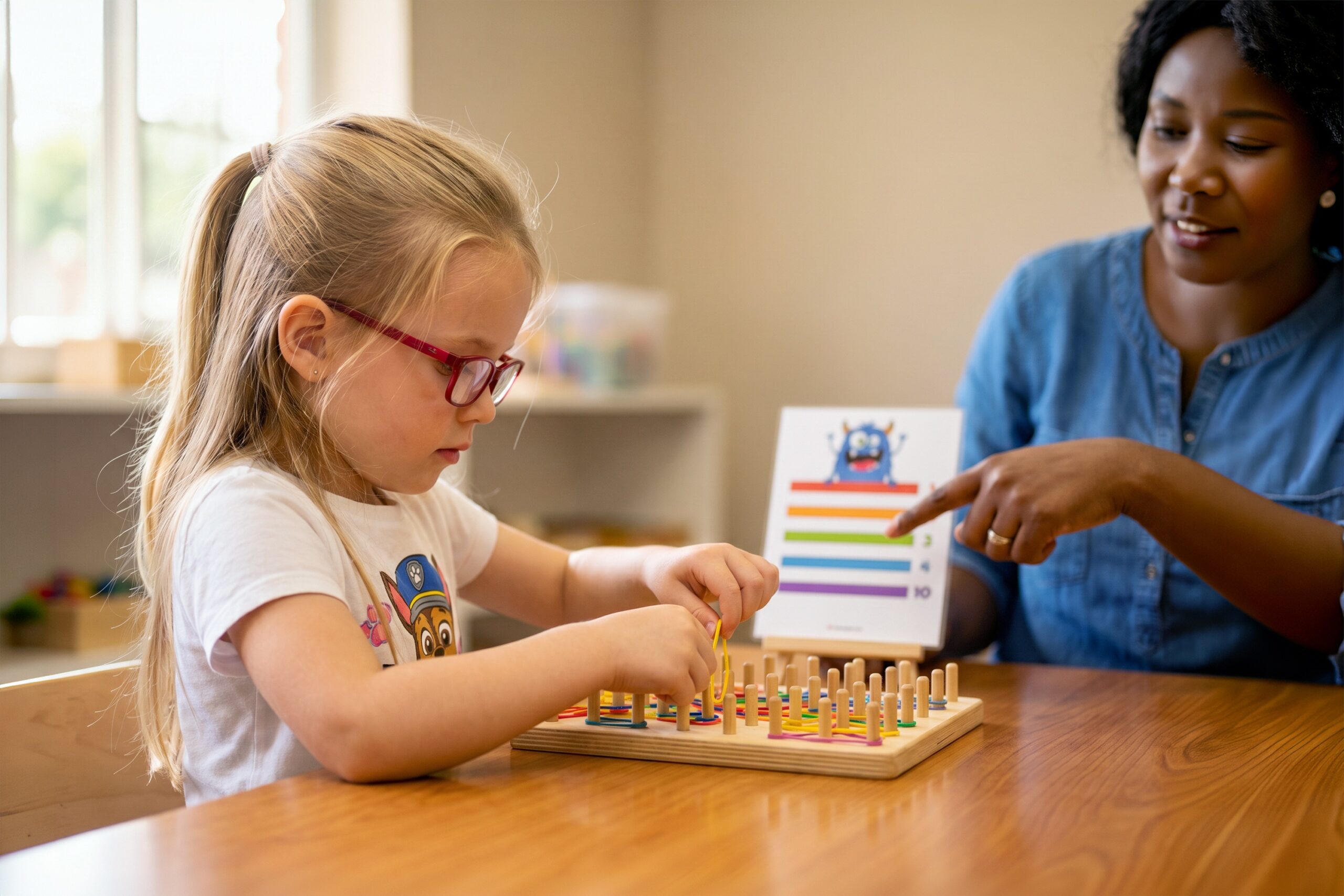
Toddler focus is short by design. A two-year-old is wired to explore, not to sit still. That is healthy brain development at work. But the right play can genuinely help improve child concentration over time, without pressure or screens.
If you are a mum in Dubai, you know the feeling. Your three-year-old will not sit through a simple task for two minutes. You are not alone. Most families across the UAE face this every day. Here are ten activities that actually make a difference.
Why Toddler Focus Is Short (And That Is Completely Normal)
Most parents assume a wandering toddler mind means something is wrong. It rarely does. A two-year-old can focus for four to six minutes. Three and four-year-olds manage eight to twelve minutes on a task they enjoy. In a UAE home full of noise, screens, and shifting weekly schedules, even that feels short. Attention is a skill. It grows with the right kind of play.
10 Activities to Improve Child Concentration
All ten are play-based and built for toddlers aged two to five.
1. Simple Jigsaw Puzzles
Even a four-piece puzzle holds a toddler’s gaze far longer than adults expect. It works because it has a clear goal. That sense of direction trains the brain to stay on task rather than drift away. Start simple. Build up slowly as confidence grows.
2. Memory Card Games
Memory games ask your child to track card positions and hold them in mind. Start with four cards face down. Most parents overlook memory games among concentration tips for kids because they feel too simple to work. They do not. Play together rather than watching from the side.
3. Storytime That Grows
Books do something no toy can replicate. Reading aloud trains a toddler to follow a longer story arc than they would choose alone. Start with short books and add a page or two each week as focus builds. Ask one simple question mid-story to keep them thinking. Our guide on reading to children has more ideas to pair with this habit.
4. Building Blocks or LEGO Duplo
Why do toddlers keep coming back to blocks? They direct the outcome. That ownership drives focus. Building demands planning, spatial thinking, and small choices all at once. It sits at the heart of EYFS play-based learning and costs very little to set up at home.
5. Simon Says
Simon Says looks simple. It is not. The child must track two things at once: the command and whether Simon said it first. That dual focus is quiet focus training for kids, wrapped in noise and laughter. Impulse control builds fast with this game.
6. Spot the Difference
Two near-identical images slow a child right down. That close, slow looking builds visual attention. Use printed worksheets or picture books at home. It works well for toddlers who dislike sitting still, since they can hold and move the page freely. Try it on a Friday morning, when UAE routines are a little looser.
7. Sorting and Matching
A kitchen drawer is enough to start. Choose items of different sizes and colours to sort. Children decide with every single piece, which keeps the brain busy. No screen or special toy needed.
8. Colouring and Free Drawing
Why does quiet art time feel so calming to toddlers? The answer is in the hands. Colouring within lines requires controlled hand movement and steady visual focus. Free drawing takes it further. The child must hold an idea in mind and bring it to the page. Both are ideal after an active session.
9. Movement Breaks Before Focus Tasks
Five minutes of jumping before a sitting task resets the brain. Physical movement clears restless energy. It makes focused work easier straight after. We build movement breaks into the daily Tappy Toes Nursery routine for exactly this reason. More ideas are on our physical activities for kids page.
10. A Quiet, Predictable Routine
What if the biggest focus tool had nothing to do with an activity? Routine removes the mental noise of wondering what comes next. That frees a toddler’s attention for the task right in front of them. In the UAE, where family schedules often shift across the week, daily consistency pays off fast.
Quick Concentration Tips for Kids to Try at Home
Small daily habits support the activities above. They do not need to take long. Reducing screen time during activity hours is the fastest win most parents find.
- Turn off background TV and sounds during any focus task at home
- Set up one quiet corner with books and puzzles, kept there every day
- End activity sessions before interest fades, not after
- Praise effort out loud: “you kept going!” builds persistence more than praising the result
- Reduce the number of toy choices on display at one time
When Should You Speak to Someone?
Every child moves at their own pace. Some will show improved focus for kids faster than others. That is normal. If your four-year-old cannot focus on any task for a few minutes, speak to your paediatrician. The same goes if they get very frustrated with most things they try. Nursery teachers spot these patterns early. Our team at Tappy Toes Nursery is always glad to help.
Bringing It All Together
Focus is built, not born. Toddlers who play, move their bodies, and follow a steady routine develop longer attention spans over time. None of this needs expensive toys or structured lessons at home.
At Tappy Toes Nursery, we weave these activities into every day. Our branches in Dubai South, Karama, Sharjah, and Fujairah all follow this approach. If you would like to see it firsthand, get in touch with our team today. Book a nursery tour with us.