
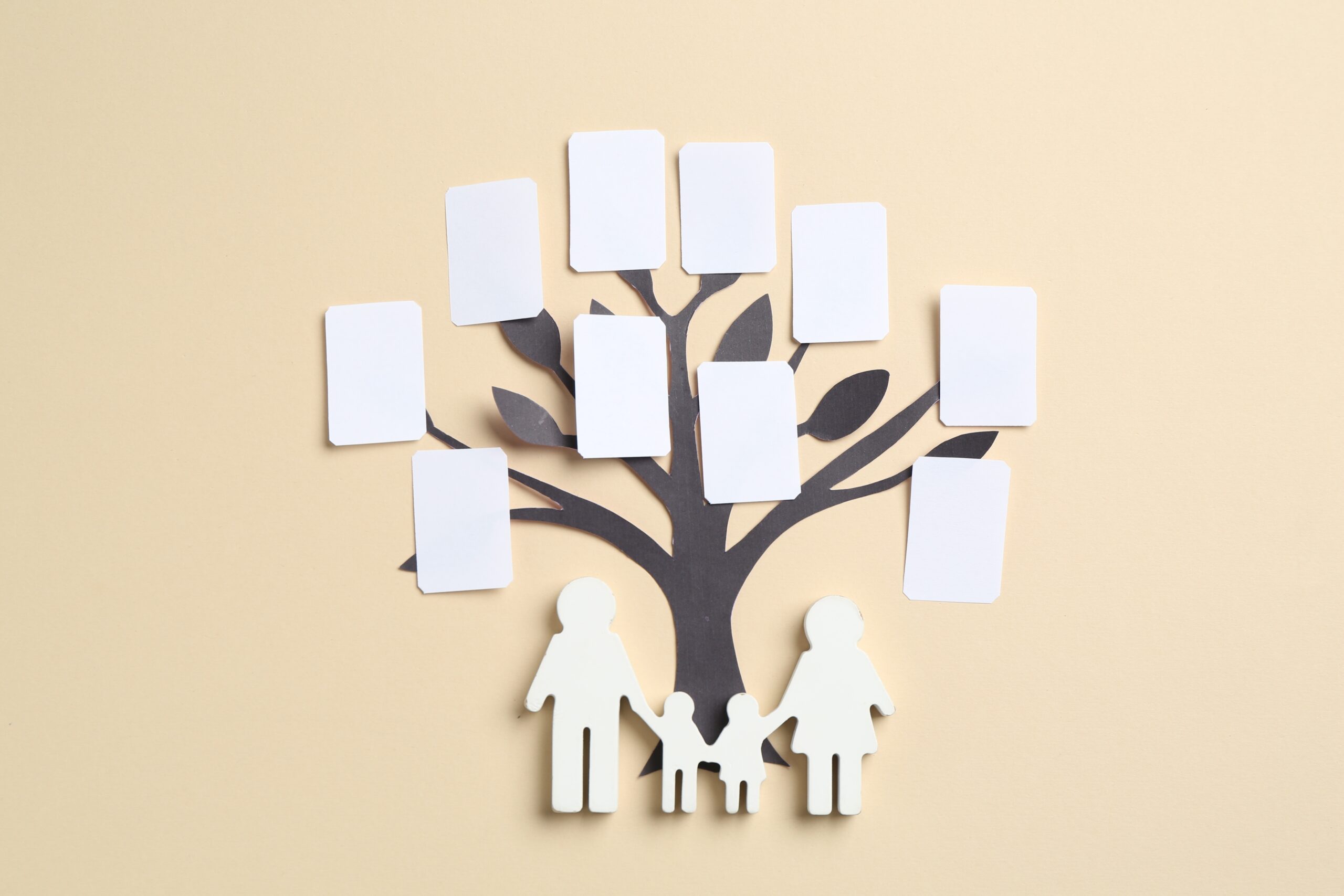
Parents in Dubai keep circling back to the same question: how do we help our kids feel steady when life moves at lightning speed? Honestly, sometimes the answer is simpler than you’d think. Family stories can do wonders. A simple family tree for kids can make those stories feel real.
When kids see their family mapped out in front of them, those connections become real. They spot where everyone fits, hear names that start to sound familiar, and begin to feel proud of their roots.
This guide lays out how a basic family tree can spark curiosity, build identity, and help kids feel like they truly belong.
What is a family tree?
So, what’s a family tree, really? It’s just a drawing that shows how everyone in your family links together. Usually, you start with your child right in the centre. From there, you branch out to parents and grandparents and, if you want, throw in siblings, aunts, uncles, cousins, whoever matters to your child.
For little kids, keep it super simple. Draw circles for people, connect them with lines, write names or add little doodles your child recognises. Stickers or family photos work great, too.
Why bother with a family tree for young kids?
Well, experts say kids learn best when things tie back to their real lives. The EYFS (Early Years Foundation Stage) talks a lot about understanding the world and community. It’s all about helping kids figure out where they fit, and stories make that happen.
A family tree brings these ideas to life. Kids see that families come in all shapes and sizes. They start to realise they’re part of something bigger, a web of people who came before them and care about them. That sense of belonging boosts their confidence.
When families get involved in early learning, kids thrive. Studies show strong family support leads to better grades, stronger social skills, and happier kids overall. Just sitting down and chatting about relatives is more powerful than you might expect.
Is a Family Tree a Good Idea for Preschoolers and Young Kids?
Absolutely, it fits perfectly with early learning goals as an EYFS family learning activity. The EYFS actually encourages activities that connect home, culture, and the real world.
You can start as early as age three. At that age, just focus on close family, use simple words, and keep the drawing playful. As kids get older, they can add more names, more branches, even fun facts about each person.
Researchers keep finding that when families get involved, kids’ language, maths, and social skills get a real boost. A family tree is one of the easiest ways to get started at home.
How Do You Actually Start a Family Tree at Home?
No need to be an artist or buy special supplies. Grab some paper, a pencil, and start chatting.
Here’s a quick way to begin:
Draw a shape for your child in the middle of the page. Add shapes for parents nearby, then branch out to grandparents, siblings, and anyone else close. Write names in clear, big letters. Talk about each person as you draw, maybe stick on a photo if you have one.
If your child comes home with a family tree school project, you’re already ahead of the game. Teachers love it when kids bring home stories into the classroom.
Want a little more structure? There are plenty of printable worksheets online, including a family member’s learning worksheet. Kids can trace names, match photos, or practise writing. It’s reading, writing, and memory practice all at once.
How to Turn the Activity into a Real Family Moment?
Parents sometimes wonder what to talk about while drawing. Keep it light and curious.
Try questions like:
- Who always calls you on your birthday?
- Who lives far away?
- Which grandparent tells the funniest stories?
These questions open the door to bigger conversations. Kids start to see how everyone fits together. You’re not just drawing, you’re helping your child build vocabulary, memory, and emotional smarts.
Connecting the tree to heritage and culture matters, too. Many families in Dubai have roots in more than one place. Maybe some relatives live in other emirates or even different countries. A family tree helps kids see this mix of cultures and traditions.
You can add each person’s city or country to the tree. Suddenly, your drawing turns into a simple heritage activity for children. Kids notice how their family stretches across the world.
Research says sharing family stories and traditions builds strong identities and helps kids bounce back from tough times. Talk about languages, favourite foods, or special holidays as you draw. It makes the whole thing even more meaningful.
Supporting early social and emotional growth is another plus. Kids learn about feelings from the people closest to them. When they see all those caring adults in their tree, they feel supported. Experts agree that strong bonds between parents and kids lead to better social and emotional skills.
Drawing and chatting about your family tree is a simple early year’s social development activity. It helps your child practise listening, taking turns, and asking questions. You can even use the drawing after nursery or at bedtime. Ask your child, “Who should we call or message today?” It is one of those small parent-child bonding activities that mean a lot.
Preschool Family Activity Ideas
Once your first tree is ready, you can use it in all sorts of ways. Here are a few gentle preschool family activity ideas.
Here are some gentle preschool family activity ideas.
- Story time: Pick one person from the tree and share a short memory.
- Language play: Practise saying “grandmother” and “grandfather” in different family languages.
- Math skills: Count how many cousins or aunties appear on the page.
- Art time: Let your child decorate each branch with colours or small symbols.
These activities stay short and playful. They fit naturally into busy Dubai family life.
Handling Different Family Structures with Care
Every family looks different. Some children live with one parent, grandparents, step-parents, or carers. Some children are adopted or have blended or shared homes.
It helps to tell children that every loving family is valid. You can say that a family is made of people who care for each other. The tree can show anyone who supports and loves your child.
Be honest but keep explanations gentle and age appropriate. If there are difficult histories, share only what feels right for now. You can always add more detail when your child is older.
Keeping the activity respectful in a UAE context – Dubai and the wider UAE welcome families from many cultures and faiths. A family tree can honour this diversity when handled with respect.
Check with grandparents or elders before sharing certain photos publicly. Some relatives may prefer not to appear online. You can keep one private tree for home and a simpler version for school.
If relatives live abroad, involve them through calls or voice notes. Ask them to share one favourite childhood memory. Children will treasure these stories for years.
This kind of family tree for kids respects both tradition and privacy.
Why choose Tappy Toes Nursery in Dubai?
While this guide is for all families, many parents ask about nursery support. Tappy Toes Nursery values strong partnerships between home and school.
Certified and experienced teachers work closely with parents to connect classroom topics with family life. Projects may include gentle heritage activity for children or simple family discussion tasks. These activities align with EYFS goals and support holistic development.
The team focuses on warm relationships, clear communication, and inclusive practice. This helps children feel safe, confident, and ready to learn every day. Contact for more information.
Conclusion
Small drawing, big impact. A family tree may look like a simple picture on paper. In reality, it holds stories, names, places, and emotions for your child.
Through this one activity, children learn who they are and where they belong. They practise language, memory, and social skills in a gentle, natural way. You gain relaxed time together and a deeper understanding of your child’s feelings.
Whether you use worksheets, photos, or freehand drawings, the goal stays the same. You are building connections across generations and continents. You are giving your child roots that will support them in every new adventure.
FAQs
At what age can my child start a family tree activity?
Many children show interest from three years of age. Start with a very small tree that includes only your child and primary carers. Add other relatives slowly as your child grows and asks more questions.
Do we need real photos, or are drawings enough?
Both options work well, so choose what suits your family best. Photos help some children recognise faces, especially relatives who live abroad. Simple drawings or symbols also support learning and keep the activity flexible and private.
How often should we update the family tree?
Update the tree whenever there are meaningful changes in your family. You might add new babies, marriages, or close family friends over time. Reviewing and updating the tree a few times a year keeps conversations fresh and engaging.