
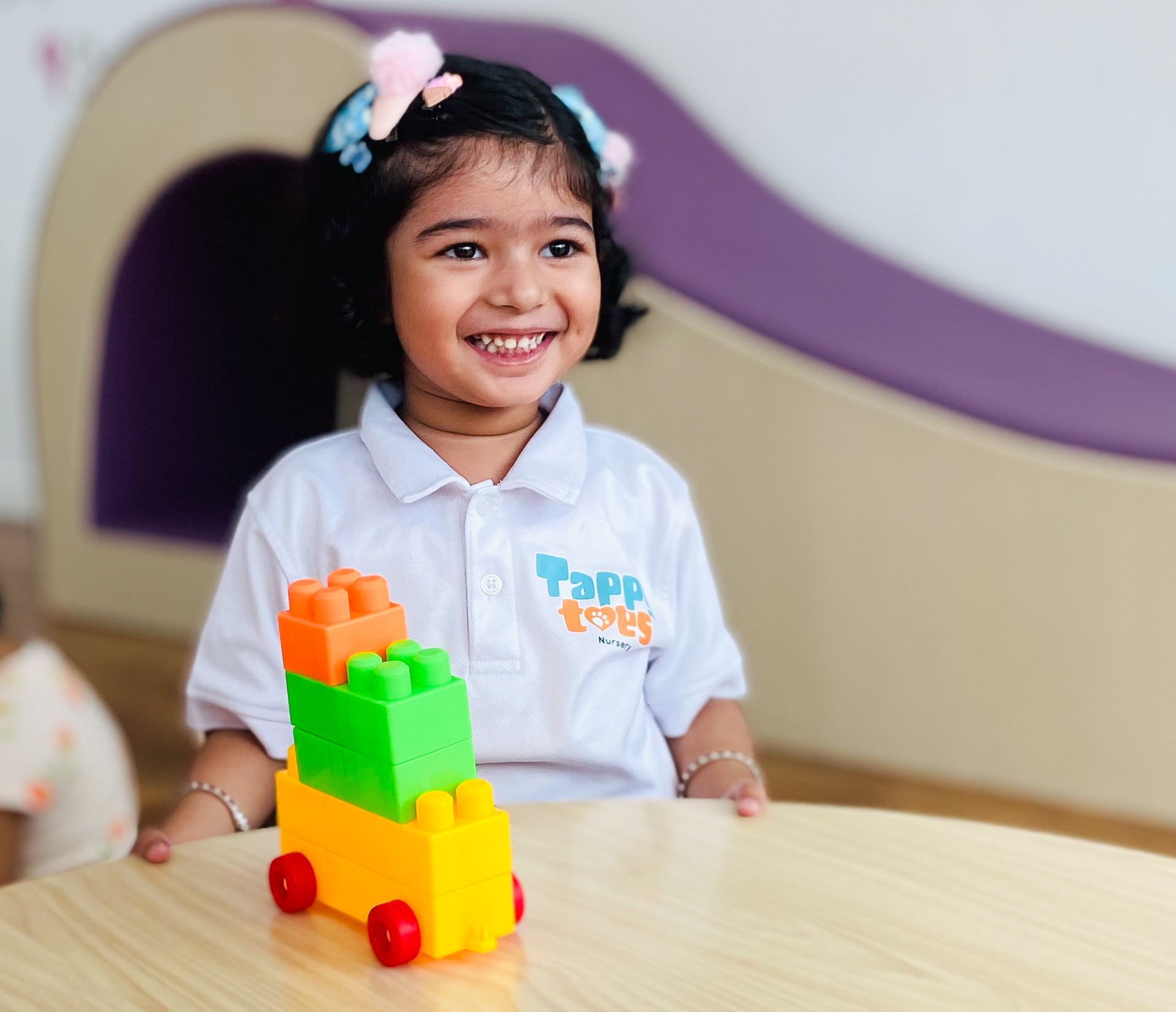
You notice it in the little things. Someone greets you with a calm smile at the door. The room looks tidy, but still feels like kids actually live and play there. A child isn’t rushed along—they feel seen and heard. In those early years, the grown-ups matter just as much as anything else. Teachers set the pace for the day, create a sense of safety, and honestly, they shape how learning feels for every child.
Here is the key point. A strong early years teacher helps children feel safe. That sense of safety supports every new skill. It also supports confidence, language, and friendships. UNICEF notes that over one million neural connections form each second. This pace shows why early years care matters.
What does an EYFS teacher do each day?
An EYFS teacher guides learning through play and routines. They plan activities that match a child’s stage. They watch closely and respond with care and skill. They support speech, movement, feelings, and social growth. They also build trust with every child, every day.
These early years teacher responsibilities include care tasks too. They help children wash their hands and eat safely. They support toilet learning with dignity and patience. They keep children settled during change and transitions. They notice worries early and act with calm speed.
How does lesson planning work in the early years?
Lesson planning for EYFS starts with children’s needs. Teachers set clear goals for the week. They keep plans flexible, not rigid or rushed. They also balance adult-led and child-led learning.
Plans cover key areas of development. These include language, movement, and early maths skills. They include art, music, and early writing control. They also support self-care and emotional growth. Good planning keeps learning steady and enjoyable.
What makes an effective early years classroom?
Parents often ask about room design and structure. The aim is simple and child-friendly. Children should move freely and choose with purpose. Teachers use EYFS classroom setup ideas to support this.
A strong room has clear areas and simple labels. It has safe resources within easy reach. It also has quiet spaces for rest and reset. Displays show children’s work, not adult perfection. The room stays calm, even during busy play.
Which teaching strategies support young children best?
Early years teaching strategies focus on relationships first. Children learn best with warm, steady adults. Teachers use clear language and repeat key words. They ask simple questions and wait for answers. They also model kindness and helpful social behaviour.
Teachers support independence in small daily steps. They encourage children to try before adult help. They praise effort, not just outcomes. They also guide turn-taking and shared play.
How do teachers kindly manage behaviour?
Parents often worry about big feelings and behaviour. Classroom management in the early years should feel respectful. Teachers set clear routines and simple expectations. They use calm voices and predictable responses. They notice triggers and support self-regulation skills. They also teach children words for feelings.
Teachers keep boundaries firm, yet caring. They guide children back to safe choices quickly. They focus on learning, not blame or shame. This approach protects confidence and supports progress.
What does safeguarding look like in daily practice?
Safeguarding in EYFS means protecting children from harm. Teachers follow safe arrival and collection procedures. They supervise closely and keep headcounts often. They check spaces for risks and fix issues fast. They record concerns and follow clear reporting steps. They also keep information private and handled correctly.
Safeguarding also includes emotional safety and well-being. Children need adults who listen and respond. They need comfort without judgment or fear. Strong settings train staff and review practice regularly.
How do teachers assess progress without pressure?
Assessment in early years education should feel natural. Teachers observe children during play and routines. They note what children can do independently. They track next steps and adjust plans quickly. They also share progress in clear, parent-friendly language.
Assessment should not feel like tests or scores. It should guide support, not create stress. Parents should see what progress looks like over time. This helps families feel confident and informed.
How do teachers communicate with parents in Dubai?
Communication with parents, EYFS works best with trust. Teachers share updates with care and clarity. They discuss routines, sleep, food, and wellbeing. They also share learning goals and key observations. Good communication keeps the home and nursery aligned. It also helps children feel secure across both spaces.
Why choose Tappy Toes Nursery for EYFS learning?
Parents want consistent care and clear standards. Tappy Toes Nursery follows the British curriculum and EYFS. It also includes Montessori and Reggio-inspired elements. Educators hold CACHE qualifications and relevant early years experience. The team also receives regular training and updates.
Families can find settings across Dubai South and Karama. There are also branches in Sharjah and Fujairah. The nursery supports parent partnership as a core belief. Many working families value extended hours support too. Children learn in safe, calm, well-planned environments. Contact for more information.
Conclusion
Early years teaching shapes how children experience learning. It shapes confidence, safety, and daily joy, too. A strong teacher plans well and watches closely. They manage behaviour with respect and clear routines. They safeguard children and support wellbeing every day. They also assess progress gently and share it clearly. When parents choose the right setting, children settle faster. They grow stronger roots for school and life ahead.
FAQs
What qualifications should I look for in an early years teacher in Dubai?
Look for recognised early years qualifications and ongoing training. Ask how staff stay updated with best practices. Also, ask about first aid and safeguarding training.
How can I help my child settle into nursery more smoothly?
Keep drop-offs calm and consistent each day. Use a short goodbye and avoid long delays. Share sleep, food, and comfort details with the teacher.
What should I ask during a nursery tour in the UAE?
Ask about staff ratios, daily routines, and safety checks. Ask how they handle illness, allergies, and emergencies. Also, ask how they support children with different needs.