
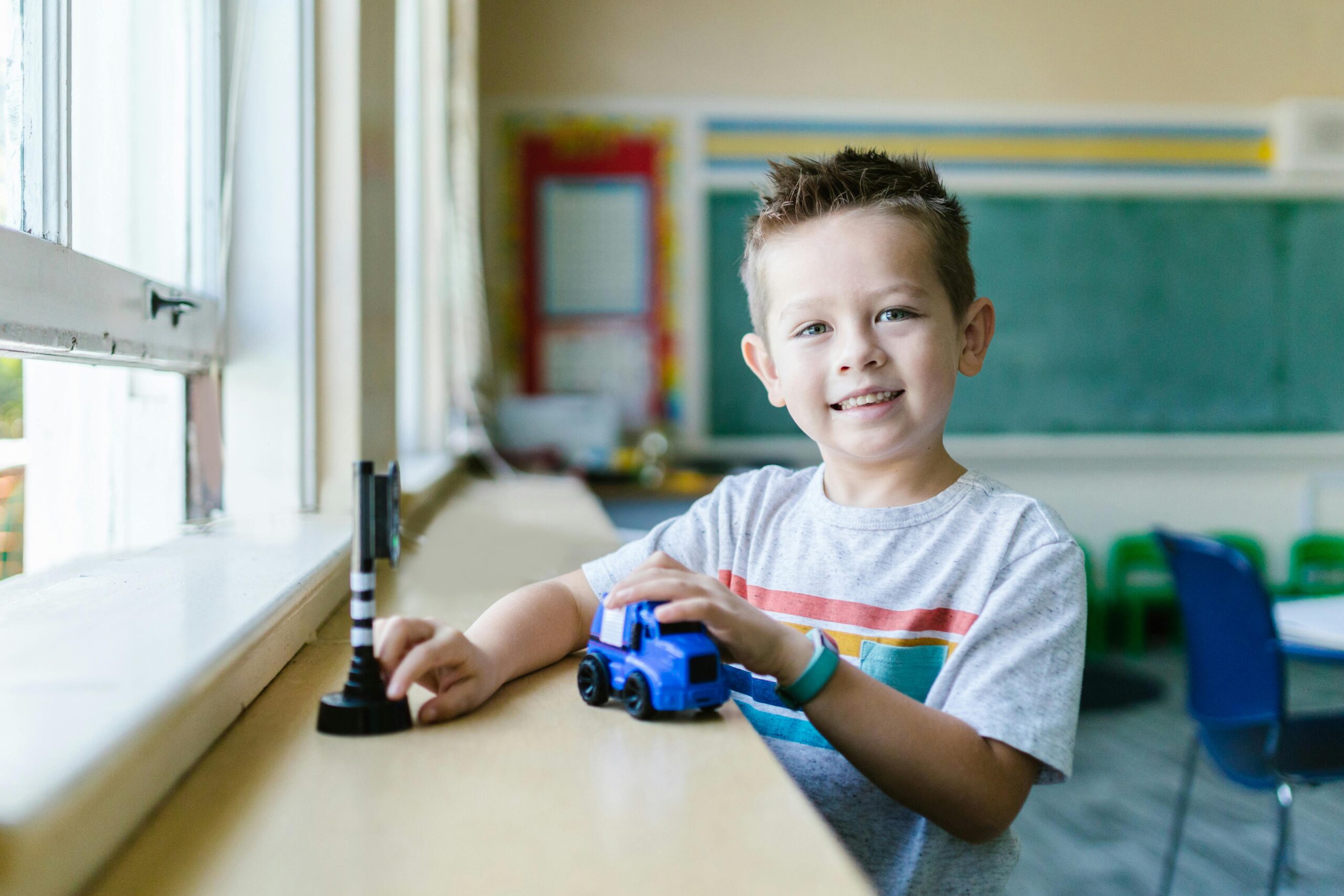
Laughter usually fills up a home before words come easily. A tiny joke can cut through silence, lighten the mood, and pull people together. Parents see it all the time, kids who laugh learn faster and feel safer sharing what is on their minds.
The American Academy of Paediatrics found that play and humour do not just make things fun, they actually help children’s brains grow and keep emotions steady.
So, jokes for kids are not just silly fun. They help with learning, bonding, and building confidence. When you use humour with intention, it becomes part of how a child grows at home and at nursery. This is real fun learning through laughter for young children.
Why do jokes matter for kids?
Bottom line, jokes help children think, talk, and connect every single day.
When children hear a joke, they have to listen, get the punchline, and react. That whole process sharpens their thinking. Telling jokes gives them practice with timing, language, and social cues.
Jokes also help children feel emotionally safe. When they laugh, stress melts away. They feel more comfortable and open to picking up new ideas.
How do jokes help children learn?
Language and communication
Jokes introduce new words and sentence patterns. Children start to pick up on rhythm, tone, and what words really mean.
Telling jokes is an easy way to build language skills. Jokes are also helpful for language development and humour activities. Children practise speaking clearly and listening well. They become simple communication skills activities that kids enjoy and remember.
Thinking and solving problems
Most jokes have a twist. Children learn to think ahead and spot the surprise.
They start asking questions, making guesses, and connecting the dots. It is a gentle way to boost early reasoning skills.
Confidence and emotional growth
It takes courage for a young child to tell a joke. When the room laughs, even at a simple one, they feel noticed and appreciated.
That does a lot for confidence. Over time, children start speaking up more and joining conversations with less holding back. Jokes turn into confidence-building, fun activities that feel natural and easy.
What jokes work best for preschoolers?
Keep them simple, gentle, and easy to understand.
With young children, go for clean, straightforward humour. Many parents prefer clean humour for preschool children that feels kind and light. Try short, easy punchlines and friendly topics. If a joke is easy to remember and repeat, even better.
Ten quick jokes for kids
Here are some favourites:
- Why did the cat sit on the computer?
To keep an eye on the mouse. - What do you call a sleeping bull?
A bulldozer. - Why did the banana go to school?
It wanted to get smart. - What do bees use to brush their hair?
A honeycomb. - Why did the teddy bear skip dessert?
It was stuffed. - What do you call a funny mountain?
Hill-arious. - Why did the book look sad?
It had too many problems. - What do cows read in the morning?
The moos paper. - Why did the pencil break?
It felt pointless. - What do you call a happy train?
A choo choo that smiles.
These are light, low-pressure ways to bring a little laughter into learning. They show how jokes for kids can stay kind, gentle, and fun.
How can parents use jokes at home?
Make jokes part of the day
Slip a joke in at breakfast or before bed. It sets a relaxed, happy tone.
Let children be the jokesters
Encourage children to make up their own jokes, even if they are very simple or do not quite land. It gets their creativity going and helps them feel comfortable expressing themselves.
Turn jokes into learning
You can tie jokes into whatever your child is learning, animals, numbers, or daily life. They can work well alongside other classroom engagement activities at home. This keeps learning playful and low-pressure.
How do nurseries use humour for learning?
In early years settings, humour pops up in many moments. Teachers work it into circle time, stories, and group games.
It helps children open up, speak in front of others, and build friendships. At a place like Tappy Toes Nursery in Dubai, gentle jokes and laughter are part of the daily routine. Children feel safe, listened to, and ready to try new things. Jokes sit alongside other communication skills activities kids experience in the classroom.
Nursery teams can also use jokes as planned classroom engagement activities. Short joke breaks keep children alert and focused. This makes group time smoother and more enjoyable for everyone.
Why pick Tappy Toes Nursery?
Choosing a nursery matters; it shapes how your child learns and feels about learning.
Tappy Toes Nursery offers a warm, structured, and lively environment. The staff focus on helping children communicate, create, and grow in confidence.
Activities like storytelling, role play, and interactive games all mix in humour and play. Many of these sessions act as language development, humour activities and communication skills activities that kids love. Children build strong language skills and feel secure, which sets them up for school and beyond.
Teachers also plan confidence-building fun activities across the week. These keep even shy children involved and relaxed. Jokes and gentle humour become a natural part of everyday learning. Contact for more information
Final thoughts
A simple joke does more than get a giggle. It helps children grow in language, confidence, and emotional strength.
When parents make jokes part of everyday life, learning feels natural. Children stay more open, more talkative, and closer to the people around them.
Jokes for kids offer a gentle way to help them grow. There is no pressure, just a little laughter to support each new stage.
FAQs
At what age can children start understanding jokes?
Children begin to understand simple jokes around age three. They enjoy repetition and easy wordplay first.
Can jokes help shy children become more confident?
Yes, jokes give children a safe way to speak. Positive reactions help build self-esteem over time.
How often should parents use humour with children?
You can use humour daily in small ways. Short, natural moments work better than long sessions.