
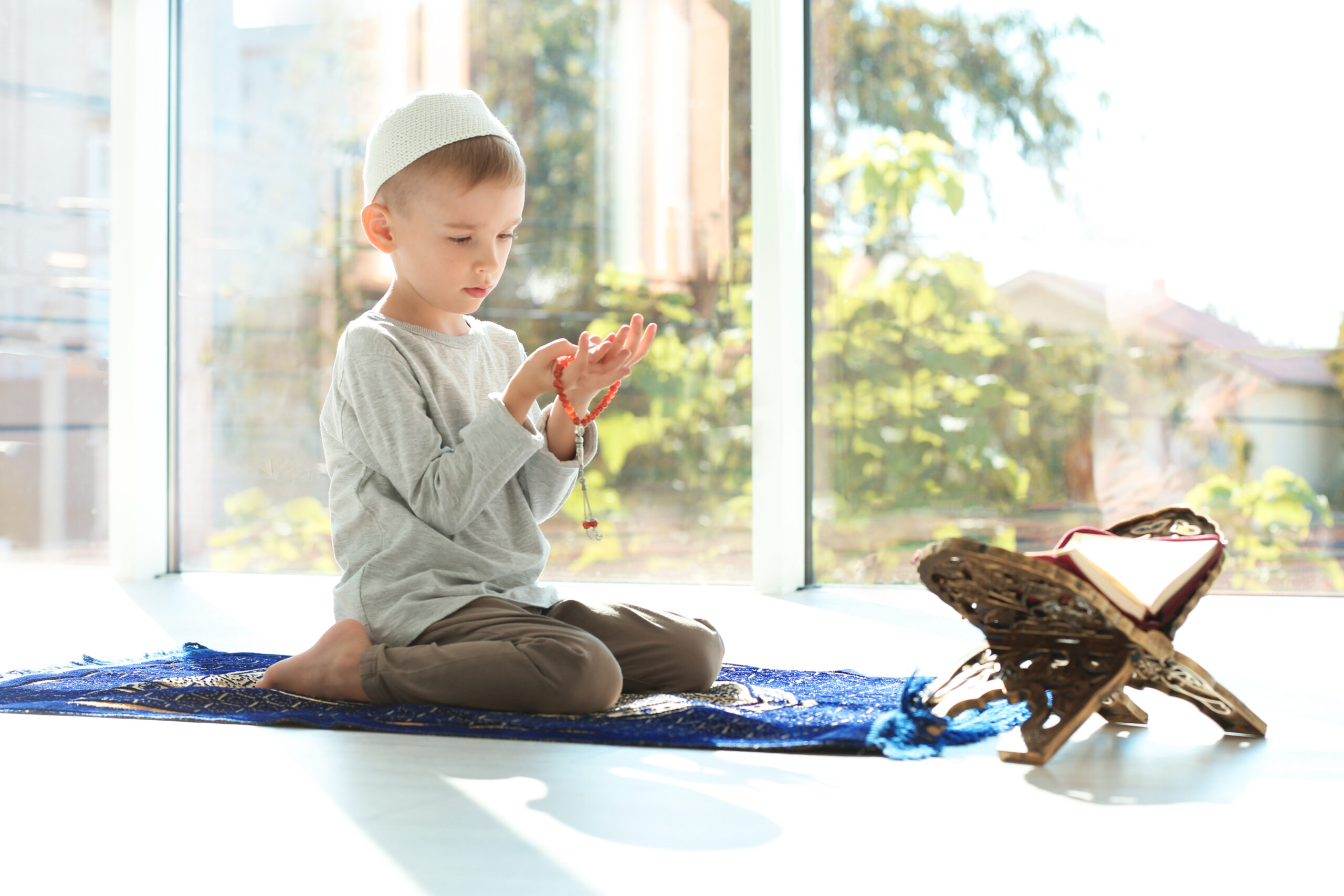
Most school days kick off in a bit of a whirlwind. Kids show up with busy minds, big emotions, and stories from home still buzzing in their heads. That is why taking a brief moment to pause, just to breathe and settle in, makes such a difference. Lots of schools start the day with a simple, welcoming prayer for school or a quiet reflection. It is a small ritual, but it helps everyone feel ready to learn.
This guide shows how a short spiritual routine can really support young children. You will also get a sense of how schools keep things respectful for families with all sorts of backgrounds and beliefs. We will dig into what the research says, look at the real-life benefits, and share ideas for bringing the same spirit home.
What does school prayer mean today?
So, what does “school prayer” even mean these days? In many classrooms, it is not about reciting formal religious words. Usually, it is just a short pause, a chance for kids to feel thankful, set a kind intention, and start the day on the right foot.
Teachers might invite kids to close their eyes or just sit quietly. They may say a simple thank you to God or a higher power, if that fits the school’s culture. Sometimes it is more about reflecting on kindness or feelings, without any religious language at all. Either way, this daily ritual helps kids feel calm, safe, and connected.
In nurseries and early years settings, these moments are kept super short. One or two easy lines, a shared breath, and a quick reminder to be gentle with each other, that is usually enough.
Does prayer or reflection really help children learn?
But does a gentle prayer or reflection actually help kids learn and feel better? Absolutely. Calm kids are ready to learn. When the day starts with a moment of quiet, kids tend to listen better, settle in faster, and join activities more easily.
It is not just a nice idea. Researchers have looked at hundreds of social and emotional learning programmes and found that kids’ academic achievement jumps by about 11 percentile points. More recent studies keep showing the same thing. Kids who take part in these routines often have better behaviour, stronger friendships, and feel safer in class. Teachers see these changes all the time when they use short, reflective practices with younger students.
Mindfulness programmes in schools show similar benefits. Kids feel happier and more resilient. Just a short, quiet practice at the start of the day gives children a chance to notice how they are feeling and settle their bodies before things get busy.
What does a morning assembly prayer for kids look like?
So, what does a morning assembly prayer for kids actually look like for young children? In early years and primary schools, it is usually simple and warm, maybe just a minute or two. Kids sit in a circle or in their usual spots. The teacher speaks gently and keeps it short and clear.
Often, the routine has three easy parts:
- A greeting and a shared breath
- A quick thank you for the day and the chance to learn
- A focus on one value, like kindness, respect or patience
In diverse places like Dubai, many schools use words that feel open and welcoming for everyone. Instead of naming a specific faith, a teacher might say, “Thank you for this new day,” and invite kids to think their own thoughts or just sit quietly if that feels right.
Gratitude, affirmations and values at the heart of school prayer
For young children, the strength of school prayer lies in the feelings it builds. A gratitude prayer for children teaches them to notice small, good things in their lives. They may thank God or simply say thank you for their families, friends, teachers or toys.
Many teachers also weave in at least one positive affirmation for students. This might sound like “I can try my best today” or “I am kind and brave”. When children repeat such lines regularly, they often build stronger self-belief and emotional resilience.
These moments link closely with values education for preschoolers. Short prayers, songs and reflection times help children learn about honesty, sharing, fairness and care. They also support moral development activities kids enjoy, such as storytelling, role play and simple classroom agreements about kind behaviour.
Some schools also add a daily motivation message for children after the shared prayer or quiet time. This message might highlight a value for the week or remind children of a simple goal, such as “We listen when our friends speak”.
How do schools keep prayer inclusive in Dubai?
Dubai nurseries and schools welcome families from many cultures and faiths. Because of this, thoughtful schools treat prayer with great care and respect. Teachers usually keep language simple and focus on shared human values like kindness, respect and gratitude.
Many settings treat participation in spoken prayer as a gentle invitation, not a pressure. Children who follow different traditions may say the words in their hearts in a way that suits their family’s beliefs. Parents who have questions can always speak with school leaders. Together, they can agree on how their child takes part in these shared moments.
This respectful approach helps children learn about diversity from an early age. They see that friends may pray in different ways or use different names for God, yet share the same core values.
Why do many parents choose Tappy Toes Nursery
Tappy Toes Nursery in Dubai understands that early years form the foundation for lifelong habits. While the nursery belongs to a modern, international city, it still values calm starts and gentle reflection for young learners.
Teachers at Tappy Toes Nursery focus on simple routines that help children feel safe when they arrive. These may include:
- A quiet song during group time
- A short thank you line before starting the day
- A reminder to use kind words and gentle hands with friends
Any spiritual or reflective practices stay age-appropriate and inclusive for all families. Parents who choose Tappy Toes Nursery often look for strong early education with a caring, values-based environment. The nursery aims to support both areas, so children grow with confidence, empathy and joy. Contact for more information
How can parents support this spirit at home?
You can support your child’s reflective habits even if your family follows a different faith tradition or none at all. The key lies in regular, gentle practice rather than long or complex prayers.
You might end each day with one short gratitude line together. You might start busy mornings with one calm breath and one kind intention. You can also ask your child what they said during school reflection and talk about it as a family.
When home and school send similar messages about kindness, thankfulness and effort, children receive strong, clear guidance. They often feel more grounded and secure in both places.
Conclusion
Prayer and reflection in school do not need to be long or complicated. When teachers offer short, inclusive moments of calm, children gain emotional safety, stronger focus and clearer values. Research on social and emotional learning and school mindfulness supports what many families already sense. These simple routines can shape both well-being and learning in powerful ways.
For parents in Dubai and across the UAE, the main question is not only about words. It is about the spirit behind them. A thoughtful prayer for school routine honours diversity, builds kindness and helps children feel ready for the day. When nurseries and homes work together on these gentle habits, young learners carry the benefits far beyond the classroom. Over time, such daily practices help raise caring, confident children who treat others with respect.
FAQs
Is school prayer compulsory for my child in Dubai?
This often depends on the school’s ethos and the local regulatory framework. Many international schools and nurseries in Dubai choose inclusive reflection that focuses on values rather than one faith. If you have concerns, you should speak directly with the school leadership. They can explain their approach and agree on the best option for your child.
How long should a school prayer or reflection last for young children?
For preschool and early primary ages, shorter is usually better. Many educators recommend one to three minutes at most, with simple language and clear structure. A brief routine keeps children engaged without causing restlessness. It also fits smoothly into the start of the school day.
What can I do if our family is not religious, but the school uses prayer?
You can talk with the school and share your family’s views in a calm, open way. Many schools allow children to treat the time as quiet reflection rather than spoken prayer. You can also explain to your child that this is a shared moment to think about kindness and gratitude. This approach respects your beliefs while still supporting classroom harmony and routine.