Kids spot shapes long before they learn to read. A circle on a clock. A square on a window. A triangle on a roof. They notice these things naturally, without anyone teaching them to look. That is actually the perfect starting point for early learning.
At Tappy Toes Nursery, we know that shape recognition builds far more than math skills. It trains visual memory, sharpens focus, and gives children a language to describe the world around them. Our free Shape Hunt Checklist turns your home into a learning space with no prep and no cost. Just a child, a pencil, and a house full of shapes waiting to be found.
Why Shape Recognition Matters in Early Years
Shape learning is not just a nursery activity. It is a genuine brain-building exercise. When a child spots a rectangle and names it correctly, they are drawing on visual processing, memory recall, and spoken language at the same time.
Research in early years education shows that children who learn to name shapes in their first three years develop stronger spatial reasoning. That carries into maths, reading, and science. The British EYFS curriculum we follow at Tappy Toes Nursery treats shape recognition as a core Mathematics topic, not an optional extra.
Here is the part most parents do not realise. Shape learning sticks better when it leaves the worksheet. A page of circles to colour is useful practice. A real hunt for circles around the house is something children actually remember. The brain holds onto what the body does. Walking room to room spotting shapes is a very different experience from sitting still and colouring one in.
What Our Free Shape Hunt Checklist Covers
The worksheet covers eight shapes, each with its own round in our Spot the Shape activity. We chose these eight because they form the full set a child aged two to five will meet in early school.
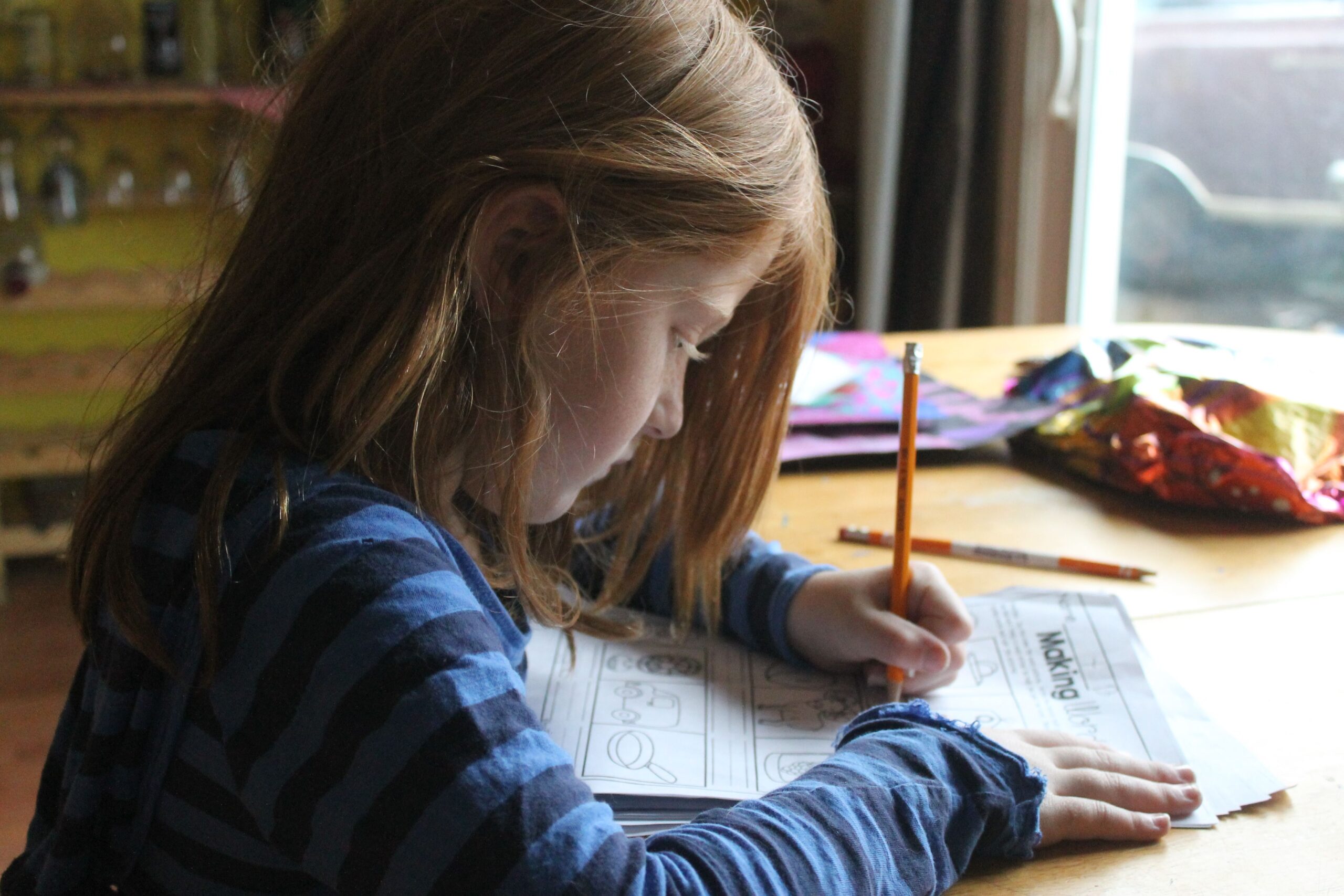
The shapes are: circle, square, triangle, rectangle, star, oval, heart, and diamond. Each one appears in a row of five options, some matching and some not. The child circles every match they find, then writes how many they spotted in total. It is simple, focused, and quick enough to hold a young child’s attention throughout.
That final step of writing the total matters more than it looks. It asks children to count, hold a number in mind, and form a digit on paper. Three skills in one small box. Do not skip it.
How to Run the Shape Hunt at Home
Start inside and pick one room to explore together. Ask your child to find a shape from the checklist and look around with them. The kitchen alone has dozens of examples. The clock face is a circle. The fridge door is a rectangle. The wall tiles may be squares. Point them out, say the name, and let your child say it back.
Repetition at this age is how the brain builds categories. Saying “circle” in ten different places around the house is more powerful than saying it once on a page. The word becomes attached to real things, and that is when it sticks.
Here is how to get the most from the activity:
- Start with one shape per session rather than all eight at once
- Let your child hold the worksheet and lead the hunt
- Name the shape aloud, then ask them to say it back
- Use the “I found” box after each room, not at the very end
- Try the hunt outdoors on a second day for a completely different set of examples
The outdoor round is worth doing. Wheels are circles. Doors are rectangles. Road signs are triangles. The world outside holds far more shape variety than any classroom poster. Children are often surprised by what they find.
The Eight Shapes and Where to Find Them at Home
Not all eight shapes are equally easy to spot indoors. Some take a bit more looking, and that is part of the challenge.
Circle: The easiest shape to start with. Clocks, plates, cups, coins, buttons, and drain covers all qualify. Ask your child to count how many circles they can find before leaving the kitchen.
Square: Window panes, coaster mats, floor tiles, and sticky notes. Help your child check that all four sides look the same length before they circle it on the worksheet.
Triangle: Harder to find indoors. A folded serviette, a door wedge, or a slice of pizza all work well. Outside, rooftops and road signs are your best options.
Rectangle: Found almost everywhere. Books, doors, phones, cushions, and picture frames all qualify. Children often name this one quickly because they see it so often throughout the day.
Star: Decorative items, stickers, and ceiling fan blades viewed from below are good places to look. Stars tend to hide in unexpected spots, which makes them fun to hunt.
Oval: Mirrors, eggs, serving platters, and soap bars. Many children initially call ovals circles. That moment of comparison, seeing how they are similar but not the same, is where the real learning happens.
Heart: Found in wall art, cushion covers, and greeting cards. Less common than the other shapes, which makes it a good test of careful looking.
Diamond: Rotated squares on floor tiles, pendant necklaces, and window latticework all count. Finding a diamond teaches children that a familiar shape can look different depending on how it sits.
Linking the Shape Hunt to Learning at Nursery
At Tappy Toes Nursery, shape work runs through multiple areas of our curriculum. Our EYFS framework guides how our educators introduce and build on shape knowledge. Classroom learning is always stronger when it connects to what children do at home.
Parent partnership is one of our core values. What happens between nursery pick-up and drop-off matters enormously to how children develop. When a child walks into class and names a shape they found at home that weekend, that tells us the connection is working well.
Our educators weave shapes into art sessions, construction play, and story time throughout the week. A child who hunted shapes at home on Saturday is far more likely to engage with that language on Monday. The checklist is designed to fit into family time naturally, not add to it.
Tips for Parents Running the Activity
A few small things make the shape hunt work much better in practice.
Do not correct too quickly. If your child calls an oval a circle, ask them to look again rather than giving the answer straight away. Count the sides together. Look at the ends. Let them notice the difference on their own. That moment of working it out is where real understanding forms.
Keep sessions short. Fifteen minutes is enough for children under four. Stop while they are still engaged, and they will ask to do it again. Stopping too late is the quickest way to make any activity feel like a chore.
Talk through what you find. The language that builds up around shapes develops vocabulary faster than most parents expect. Phrases like “it has four equal sides” or “the ends are rounded” come back in nursery. They give our educators a clear sign that a child is thinking about shapes beyond class.
Take photos of unusual finds. If your child finds an unusual shape somewhere unexpected, photograph it and share it at drop-off. Our educators love seeing what children notice at home. It gives them something real to build on.
Download Your Free Shape Hunt Checklist
The checklist is completely free to download and print. No sign-up required.
We create resources like this because early learning belongs to the whole family, not just to nursery hours. Parents are a child’s first and most important teachers. Our role at Tappy Toes Nursery is to support that fully.
Print it out, grab a pencil, and you are ready to start. It works at home, on a visit to a grandparent’s house, or anywhere your child has a few minutes and a room to explore.
If you have a child aged three months to five years and you are looking for a nursery that keeps learning joyfully while taking it seriously, we would love to welcome your family. Our branches in Dubai South, Al Karama, Sharjah, and Fujairah follow the British EYFS curriculum with small class sizes and CACHE-qualified educators.
Visit tappytoesnursery.com to explore our programmes or speak with our team about enrolment. Your child’s learning starts at home. We are here to support every step.