
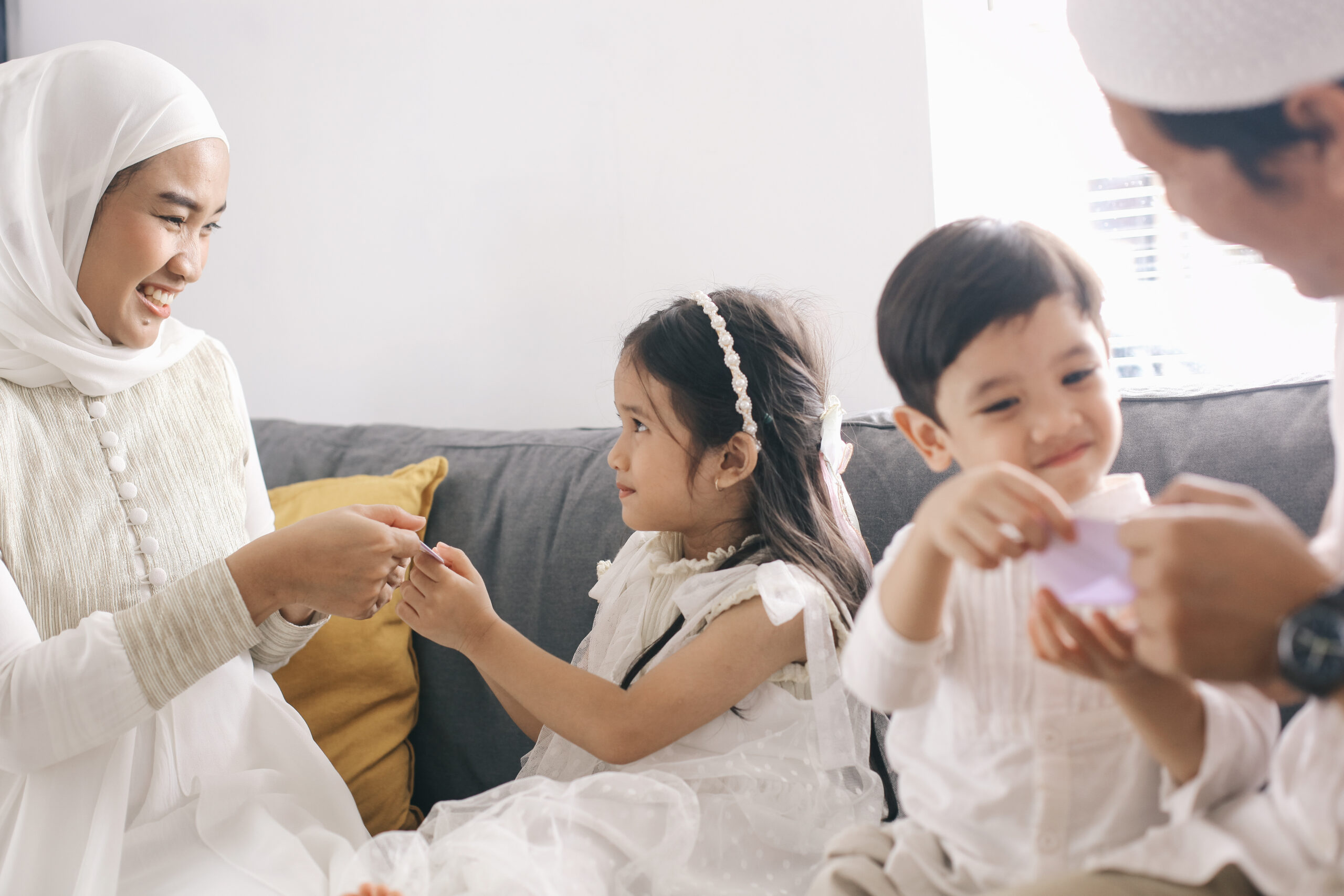
Ramadan quietly shifts the mood at home. Days slow down. Evenings fill up. Kids notice these changes long before they understand what’s really happening. They see prayer mats ready on the floor. They hear everyone’s voices soften. They watch the lights flicker on at sunset. That’s usually where their learning starts.
For parents, this season brings a gentle question. How do you make Ramadan meaningful for young children? The answer is not pressure. It is not long lessons either. It is simple, steady involvement. Children learn best through warm routines, stories, movement, art, and shared acts of kindness. Play also supports children’s social, emotional, physical, and creative development, which makes activity-based learning especially useful in the early years.
UNICEF says play is central to children’s development and supports cognitive, physical, social, and emotional growth. Pew Research also found that a median of 93% of Muslims in 39 countries said they fast during Ramadan, showing how deeply this month is valued across Muslim communities.
This is why Ramadan activities for kids matter so much. They help children feel included, calm, and connected. They also give parents practical ways to start teaching kids about Ramadan with care and confidence.
What should children learn about Ramadan first?
Start with the heart of the month. Keep the message short and clear. Ramadan is a special month in Islam. Muslims use this time to pray, reflect, show kindness, and help others. Adults fast from dawn to sunset, but young children do not need to fast. Medical and religious sources note that pre-pubertal children are generally exempt, though some may join in small ways.
This approach gives children security. It also prevents confusion. A gentle fasting explanation for kids should focus on values first. Tell them Ramadan teaches patience, gratitude, self-control, and care for others. Once they understand that, the rest becomes easier.
Why are activities important during Ramadan?
Children remember what they do more than what they hear. An activity turns a big idea into something they can hold, see, or repeat. That matters during the early years, when attention is short and feelings are strong.
Activities also help families create a calm structure. During Ramadan, routines often shift. Bedtimes may change. Meal times feel different. Some children may become more sensitive during these weeks. A few simple Islamic activities for kids can bring rhythm back into the day while keeping the month meaningful and warm.
Ramadan crafts for children that feel thoughtful and simple
Craft time works well because it slows children down. It also gives them a visual link to the month. The goal is not perfection. The goal is connection.
Here are a few easy Ramadan crafts for children:
-
Moon and star crafts
Children naturally connect Ramadan with the moon. Let them create paper moons, hanging stars, or window decorations. Moon and star crafts also help build fine motor skills and shape recognition.
-
Ramadan lantern art
Make lanterns with coloured paper, child-safe glue, and simple cut shapes. Display them at home so children see their work become part of the family space.
-
Ramadan calendar
Create a daily countdown calendar together. Add one small task, dua, or family action for each day. This helps children understand time and look forward to each evening.
-
Eid craft ideas
As Ramadan moves forward, children can make Eid cards, gift tags, or simple decorations. These Eid craft ideas keep the excitement growing while teaching effort and care.
What are the best Islamic activities for kids during Ramadan?
The best activities are simple enough to repeat. They should also match the child’s age and energy level. Try to balance quiet moments with hands-on ones.
Here are some strong options for home:
-
Ramadan story time
Set aside ten quiet minutes each day for Ramadan story time. Read age-appropriate books about Ramadan, the moon sighting, prayer, kindness, or Eid. Story time builds language while helping children absorb values gently.
-
Short prayer and dua moments
Invite children to sit nearby during prayer times. Teach one short dua and repeat it daily. Keep the tone warm and unforced.
-
Gratitude jar
Ask your child to name one blessing each evening. Write it down and place it in a jar. This makes gratitude visible and easy to revisit.
-
Family kindness circle
Before iftar, ask each family member one question. What good did you do today? This helps children reflect without feeling tested.
-
Nasheed and movement time
Use calm Islamic songs or nasheeds for a few minutes of movement. Young children often learn better when their bodies stay active.
How can you teach charity in a way children understand?
Charity is one of the clearest lessons of Ramadan. Young children may not understand large ideas like poverty or zakat fully. They can still understand sharing, helping, and caring.
That is where charity activities for children work beautifully. Let them choose clean toys, books, or clothes to donate. Ask them to help pack food boxes. Let them carry a small bag to a donation point with you. These actions feel real and memorable.
You can also make a Ramadan good deeds chart. Keep it visual and simple. Add actions like sharing a snack, helping tidy up, speaking kindly, or giving to others. This shifts the child’s focus from reward to character.
Should children fast in Ramadan?
This is one of the most searched parent questions, and the answer should be clear. Young children are not required to fast. That point matters both religiously and practically. Some older children may want to try small, age-appropriate forms of participation. They might delay a snack, help set the table, or join the family at iftar with intention. Medical literature also notes that children are exempt, even though some may still choose limited participation.
For most families, the better goal is emotional participation, not full fasting. Let children feel included without strain. That is a healthier path for early learning and family peace.
How do you build a calm Ramadan routine for young children?
Routine gives children comfort. During Ramadan, try to keep the structure simple.
Start with one quiet morning activity. Add one creative task during the day. End with one shared family moment before or after iftar. This pattern works well because it is steady and manageable.
A simple daily rhythm could include:
- morning craft or colouring
- afternoon story or gratitude time
- evening helping task before iftar
- bedtime reflection with one short dua
Used gently, Ramadan activities for kids can support both behaviour and belonging.
How can parents make Ramadan joyful without pressure?
The best Ramadan memories often feel ordinary at the time. A child passing dates to the table. A small hand is placing stars on a wall. A quiet story before bed. A kind act repeated until it becomes natural.
Parents do not need to create a perfect month. Children do not need a packed schedule. What matters is warmth, repetition, and meaning. When the home feels calm and open, children absorb more. When parents stay relaxed, the whole month feels safer for them.
Why choose Tappy Toes Nursery for your child’s early learning journey?
For families in Dubai and the UAE, early learning choices matter deeply. Parents want more than supervision. They want a setting where their child feels safe, seen, and encouraged every day.
Tappy Toes Nursery supports early childhood learning through age-appropriate routines, hands-on discovery, and nurturing care. That matters during cultural and family seasons like Ramadan, when children benefit from gentle structure and respectful engagement. A strong nursery environment can help children build confidence, social skills, creativity, and emotional security, all through meaningful daily experiences.
For parents seeking a warm and thoughtful start, Tappy Toes Nursery offers an environment that values both learning and belonging. Contact for more information.
Conclusion
Ramadan gives families a rare chance to slow down and reconnect. For children, that connection grows through simple moments they can understand and repeat. A craft on the table. A story before bed. A small act of charity. A quiet word about gratitude. These things may look small, but they stay with a child.
When parents focus on warmth over pressure, children learn the true spirit of the month. They begin to see Ramadan as a time of kindness, reflection, generosity, and family closeness. That is the lasting gift. It shapes not only one season, but also the values children carry forward.
FAQs
At what age should I start teaching my child about Ramadan?
You can start from toddler age with very simple ideas. Focus on kindness, prayer, gratitude, and family routines. Keep the language clear and age-appropriate. Young children do not need deep detail first.
How do I explain Ramadan to a non-Muslim child in a UAE classroom or social setting?
Use respectful, simple language. Say Ramadan is a special month for Muslims. During this time, families pray more, help others, and reflect deeply. This helps children understand the season with respect and clarity.
What are the best Ramadan activities for nursery-aged children in Dubai?
The best choices are short, calm, and hands-on. Try lantern crafts, gratitude jars, story sessions, moon-themed art, and simple helping tasks at home. Activities should match the child’s age, energy, and daily routine.