
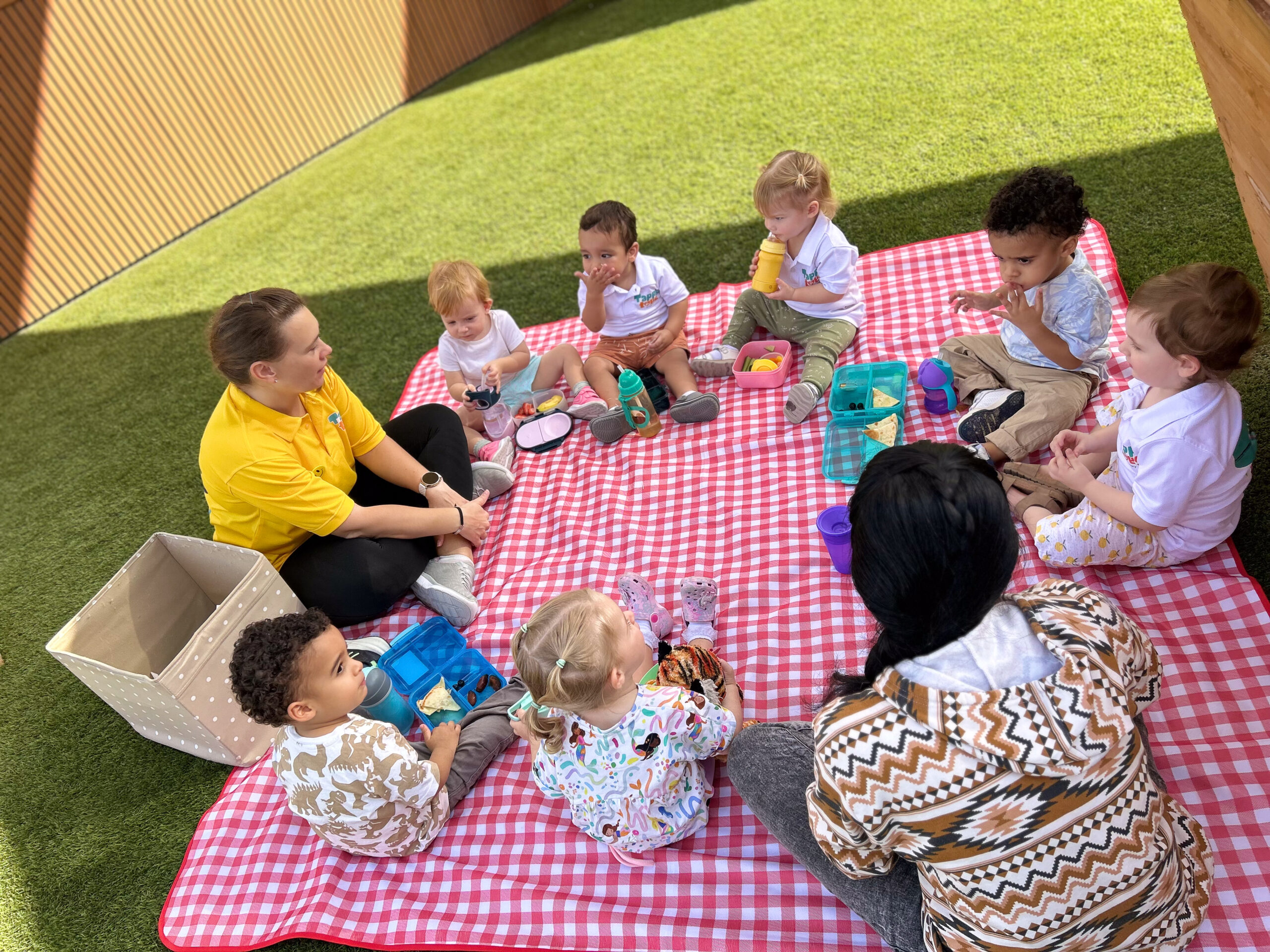
Parents in Dubai often juggle busy schedules, long commutes, and high expectations around child development. In the middle of this, every parent wants the same thing. A healthy, happy child who grows with confidence. Daily habits shape this growth. They guide children as they learn to care for their bodies, manage their emotions, and understand the world around them.
This article explores ten essential routines that help children build a strong foundation for lifelong wellbeing. Each point uses clear explanations so parents can follow the steps with ease. You will also see how our nursery supports these habits each day, through gentle structure, caring interactions, and safe learning environments.
10 Healthy Habits Every Dubai Parent Should Teach
1. Balanced nutrition to help children grow well
Balanced nutrition helps children develop strong bones, a healthy immune system, and steady energy. It supports brain development and helps them focus during learning time. A study by the World Health Organisation shows that good childhood nutrition improves learning outcomes and lowers illness rates.
Parents can start by offering simple meals that include fruits, vegetables, proteins, and whole grains. This slowly builds healthy eating habits that preschool children can follow at home and nursery. Small changes, made daily, strengthen a child’s long-term health.
2. Healthy snacks play an important role in a child’s day
Healthy snacks keep energy stable between meals. They prevent sugar crashes and support better mood control. They also help children meet their daily nutrition needs. Healthy snacks Dubai kids enjoy can include fruits, yoghurt, nuts, or simple home-made bites with fewer additives. Offering small portions at consistent times helps children understand hunger cues and avoid overeating.
3. Toddlers should learn simple hygiene routines early
Young children learn through repetition. Daily hygiene habits and nursery routines, such as brushing teeth, washing faces, or wiping hands after play, help children stay healthy. When taught early, these habits become natural. Consistent hygiene prevents common infections and builds self-care skills that children rely on as they grow.
4. Handwashing to protect children from illness
Handwashing routines kids follow every day reduce the spread of germs. The Centres for Disease Control and Prevention reports that handwashing reduces respiratory illnesses by up to 21 per cent.
Teach children to wash their hands before meals, after using the toilet, after touching surfaces outside, or after playtime. Use simple steps, clear instructions, and gentle reminders.
5. Sleep is so important for toddlers
Sleep supports memory, behaviour, growth, and emotional stability. Sleep routines toddlers follow help them fall asleep faster and wake up more refreshed. Research from the National Sleep Foundation states that toddlers need 11 to 14 hours of sleep per day.
A predictable bedtime, calm environment, and limited screen time help children sleep better.
6. Physical activity supports early development
Physical activity in early years routines improves muscle strength, coordination, and emotional well-being. Simple movement helps children release energy and stay focused during learning. The WHO recommends at least 180 minutes of physical activity a day for children under five.
Daily movement, both indoors and outdoors, keeps children active and confident.
7. Daily routines help preschoolers feel secure
Daily routines preschool children follow give them stability. When children know what happens next, they feel safe and calm. A simple pattern of arrival, meals, play, rest, and learning time helps them understand the flow of the day. This consistency also supports smoother behaviour and easier transitions.
8. Building a daily habit of expressing feelings
A simple emotional check-in becomes a powerful daily habit. When children pause to name their feelings, they learn to understand emotions before reacting. Wellness education in early years supports this skill by teaching children clear emotional words. Over time, they learn to speak about their feelings, ask for help, and solve small problems calmly. This habit builds early emotional intelligence and helps them socialise with confidence.
9. Learning to care for their environment
Healthy habits for kids also include respect for their surroundings. Teaching children to pick up toys, care for books, and keep shared spaces tidy supports responsibility. These simple routines teach children that their actions impact their environment and the people around them.
10. Developing the daily habit of staying safe
Health and safety nursery lessons help children learn to follow rules that protect them. These include walking indoors, listening to adults during outdoor play, and using materials safely. This builds awareness and encourages children to make careful decisions as they explore new activities.
Why Parents Choose Tappy Toes Nursery
Tappy Toes Nursery makes these healthy habits part of each child’s day. Our environment supports growth with simple routines, warm interactions, and a strong focus on wellbeing.
We support structured nutrition for toddlers by guiding parents on balanced meal choices. Our teachers model hygiene and handwashing calmly and patiently.
Sleep routines follow gentle rhythms that help children rest.
Physical activity and learning are designed to match each child’s developmental stage.
Parents trust us because we build strong foundations. We work closely with families to ensure every child grows with confidence, health, and happiness.
Conclusion
Healthy habits guide children as they learn about their bodies, emotions, and environment. Each habit builds confidence and supports long-term wellbeing. Parents play the central role in shaping these routines at home, while nurseries strengthen them each day.
When home and nursery work together, children grow into healthier, more secure, and more independent individuals. With consistent guidance and supportive spaces, every child can build a foundation that lasts through childhood and beyond.
Frequently Asked Questions
What is the best age to start teaching healthy habits to children?
Parents can begin teaching simple routines from the first year. Early repetition helps children form strong habits that last.
How can working parents maintain healthy habits at home?
Short, predictable routines help. Parents can create small daily habits like fixed meal times, quick hygiene steps, and calm bedtime rituals.
Do nurseries in Dubai follow specific health and safety rules?
Yes. Dubai’s Early Childhood Framework sets clear guidelines for nutrition, hygiene, safety, and learning environments. Nurseries must follow these standards to operate.